
Last updated October 16, 2026
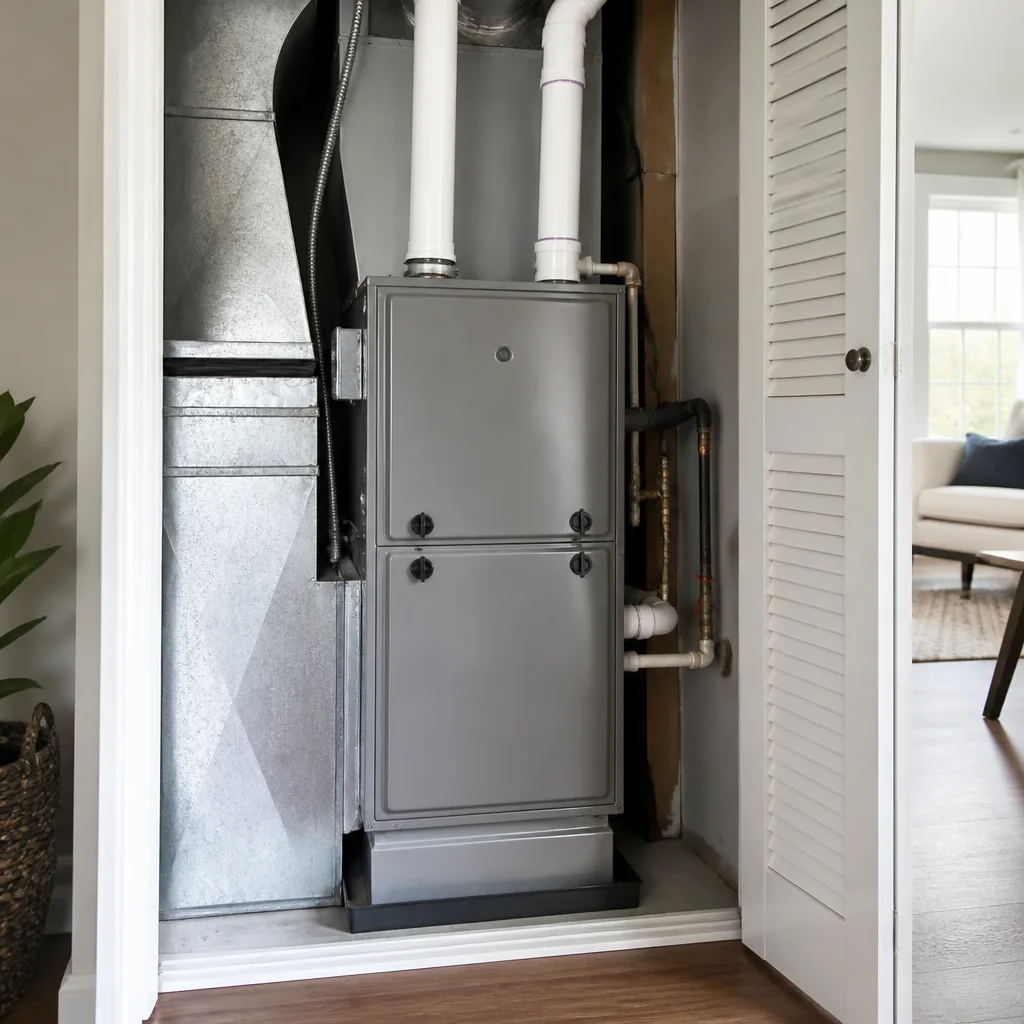 Furnace & heating
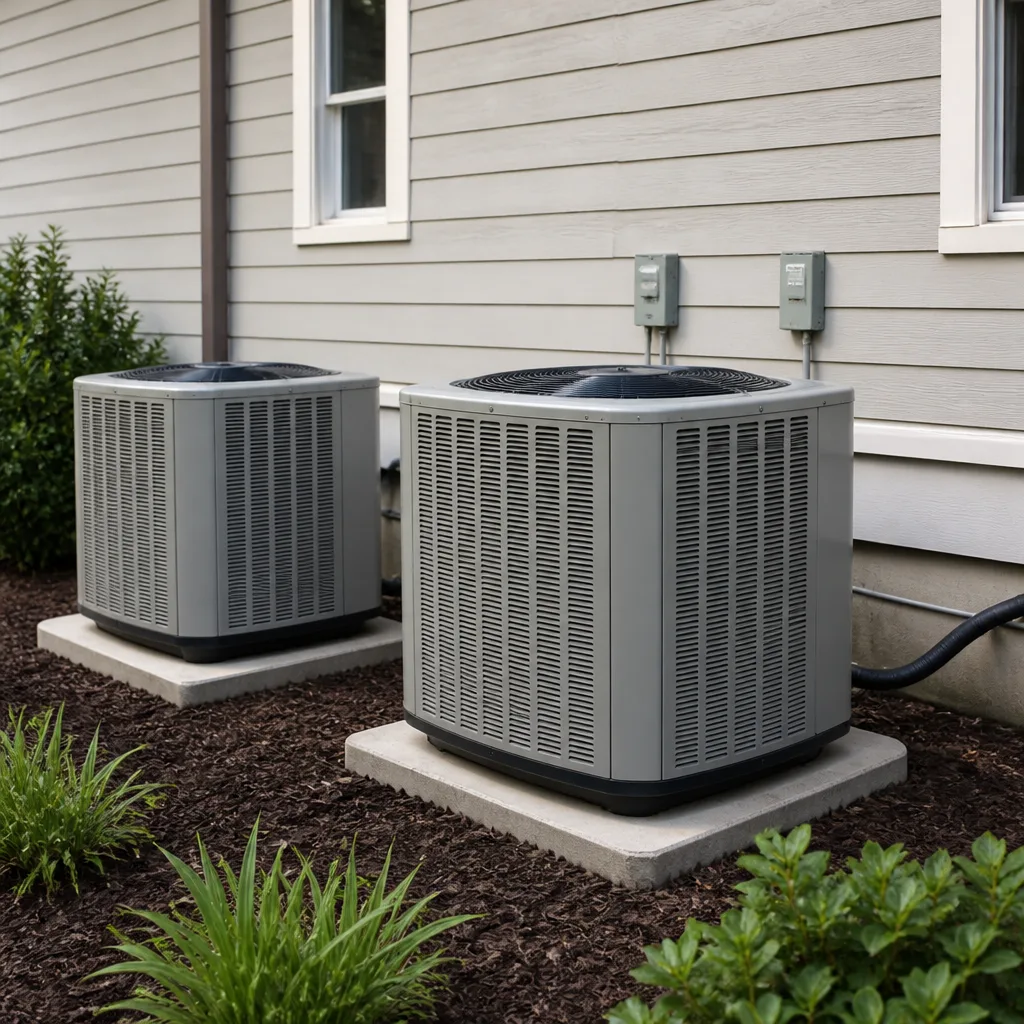 Heat pumps
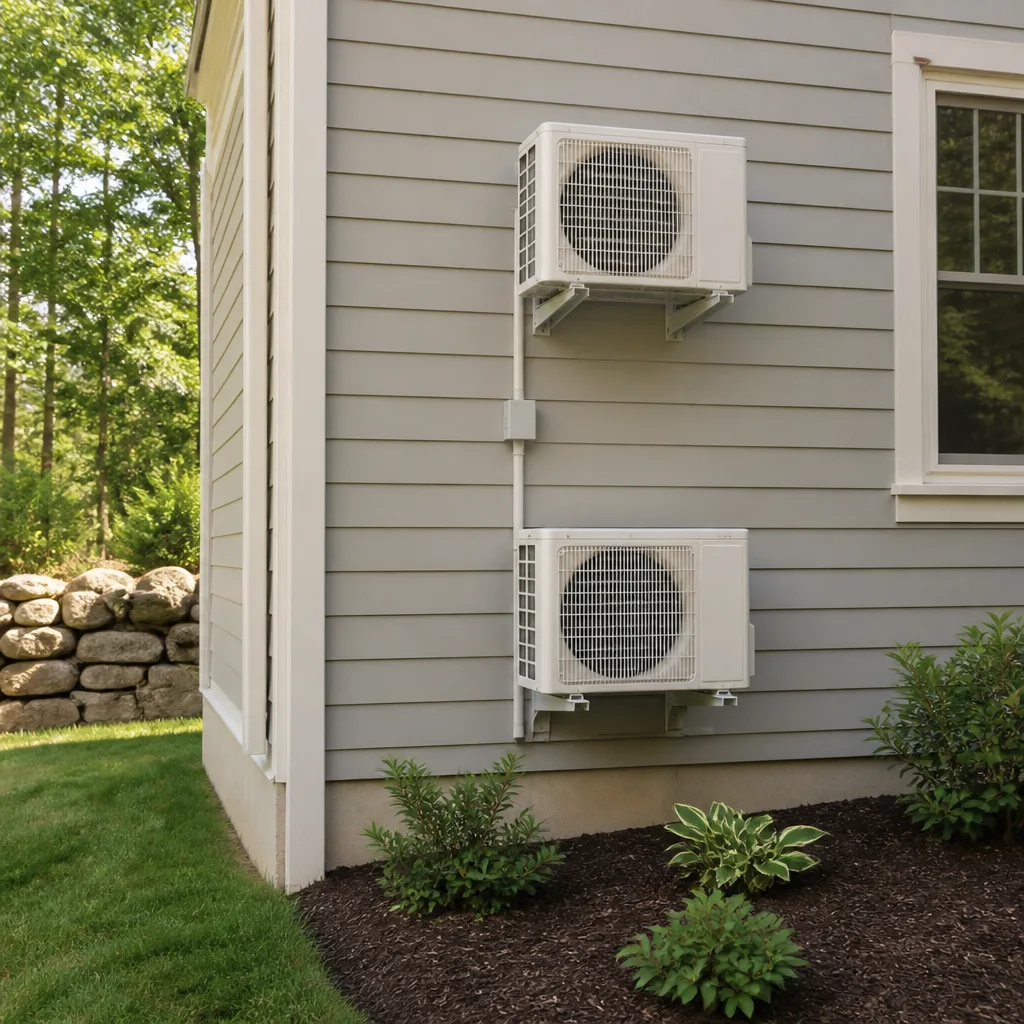 Ductless mini splits
 Goodman
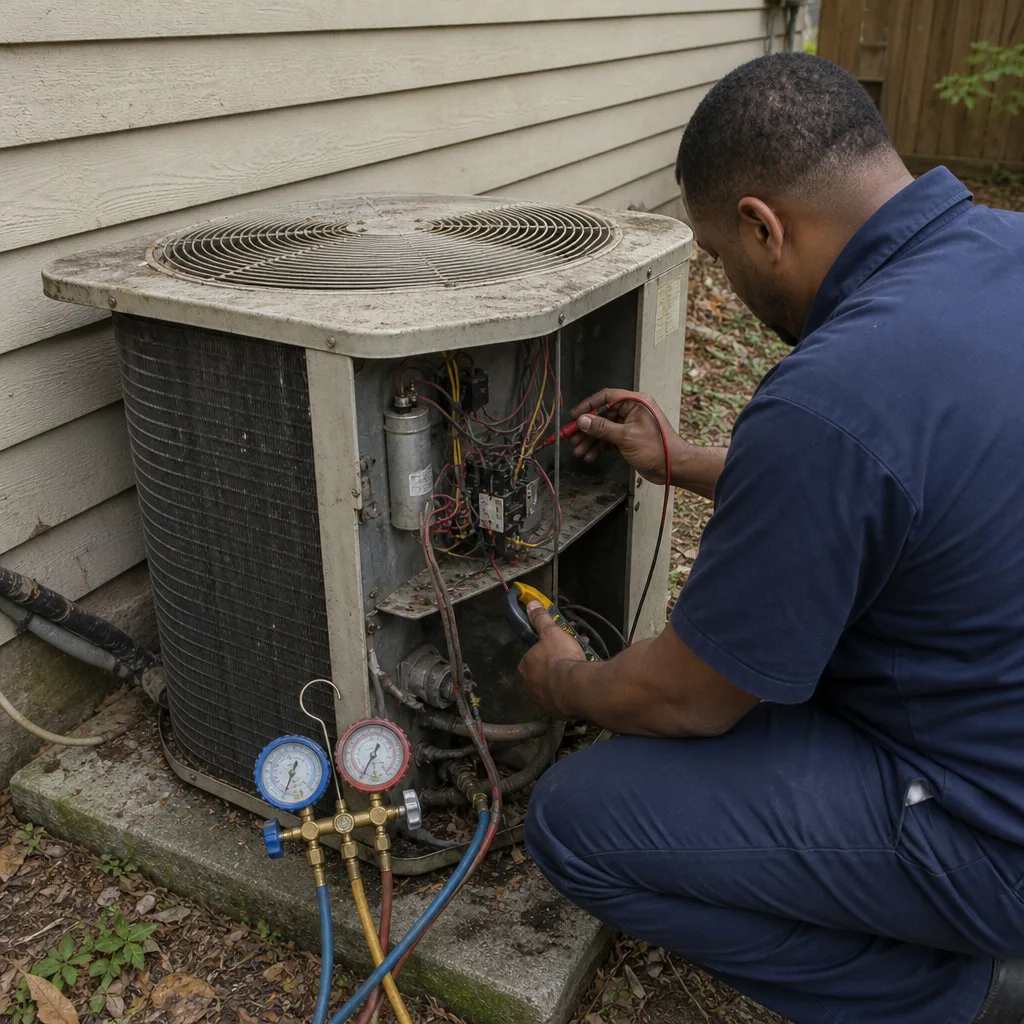
Seasonal tune-up and full diagnostic on your Carrier, Trane, or Goodman system - readings shown to you before any repair is proposed
Diagnosis first, numbers second - you approve the repair price before a single part goes in.
Get your free estimateHVAC Permits, Codes & Inspections in TX: What You Need to Know
Here’s something most Dallas homeowners don’t learn until closing day: when you sell your house, the buyer’s title company can pull permit records for your address. If that furnace or condenser you installed three years ago was never permitted, it doesn’t just become a negotiation chip. It becomes a disclosure problem, a potential insurance claim denial, and a liability block that follows you in writing. Unpermitted HVAC work in Texas isn’t a paperwork formality. It’s a legal liability that the homeowner carries, not just the contractor. This guide walks through what actually requires a permit in Dallas, how to verify a permit was pulled, what inspectors check, and what happens if you skip the process.
Styles & brands we work with
Quick Answer
In the City of Dallas, any HVAC job that involves installing new equipment, replacing a furnace or condenser, relocating ducts, or adding new electrical or gas connections requires a mechanical permit from the City of Dallas Development Services Department. A licensed HVAC contractor pulls the permit, schedules the inspection, and closes it out. Homeowners who knowingly accept unpermitted work can be held responsible for code violations and corrective work in Texas, even if the contractor was the one who skipped the permit.
Table of Contents
- What Actually Requires an HVAC Permit in Dallas
- What Does NOT Require a Permit (And Gets Misrepresented)
- How to Look Up Whether a Permit Was Pulled on Your Dallas Address
- What a Dallas HVAC Inspection Actually Checks
- Permits, Insurance, and the Home Sale: What Texas Disclosure Laws Require
- Texas Mechanical Code Requirements That Affect Every Replacement
- How Long the Permit-to-Inspection Process Takes in Dallas
- Common Mistakes to Avoid
- When to Call a Professional
- Frequently Asked Questions
- The Bottom Line
What Actually Requires an HVAC Permit in Dallas
The permit list is shorter than most people assume, but the items on it carry real weight. In the City of Dallas, a mechanical permit is required when you install new equipment, replace a system, alter existing ductwork, or add new connections. The dividing line is this: if the work touches gas lines, electrical wiring, refrigerant lines, or the physical structure of the duct system, it needs a permit. If it’s a part swap inside the unit, it typically doesn’t.
Here’s the specific list for Dallas homeowners:
- Full system replacement – furnace, condenser, evaporator coil, or any combination. Even a like-for-like swap of a 3-ton condenser for another 3-ton condenser requires a permit because the refrigerant line set, electrical disconnect, and condensate drain all get inspected.
- New installation – adding AC to a house that never had central air, converting from a window unit, or building an addition with a new system. This is always a permit job.
- Ductwork replacement or relocation – if you’re reconfiguring supply runs, adding a return in a room, or replacing more than a small section of flex duct, Dallas requires a permit. Duct sizing affects airflow, static pressure, and equipment lifespan.
- Gas line modifications – running a new gas line to a furnace, tankless water heater, or relocated appliance. Gas work in Dallas requires a separate gas permit, often pulled alongside the mechanical permit.
- Electrical disconnect or panel work – if the condenser needs a new circuit, a larger breaker, or a moved disconnect box, that’s electrical permit territory, sometimes bundled with the mechanical permit.
- Heat pump installation or conversion – replacing a gas furnace with a heat pump or adding a heat pump to a dual-fuel setup changes the electrical load and the refrigerant circuit. It’s a permit job.
We’ve seen homeowners in Northeast Dallas get caught off guard by the “like-for-like” assumption. They think swapping one Goodman condenser for another Goodman condenser is maintenance. In Dallas, it’s a permit. The city doesn’t distinguish by brand or BTU rating. The distinction is equipment replacement versus component repair.
What Does NOT Require a Permit (And Gets Misrepresented)
Some contractors tell homeowners that “most HVAC work doesn’t need a permit in Dallas.” That’s only true if you define HVAC work narrowly as maintenance and component swaps. Here’s what genuinely doesn’t require a permit:
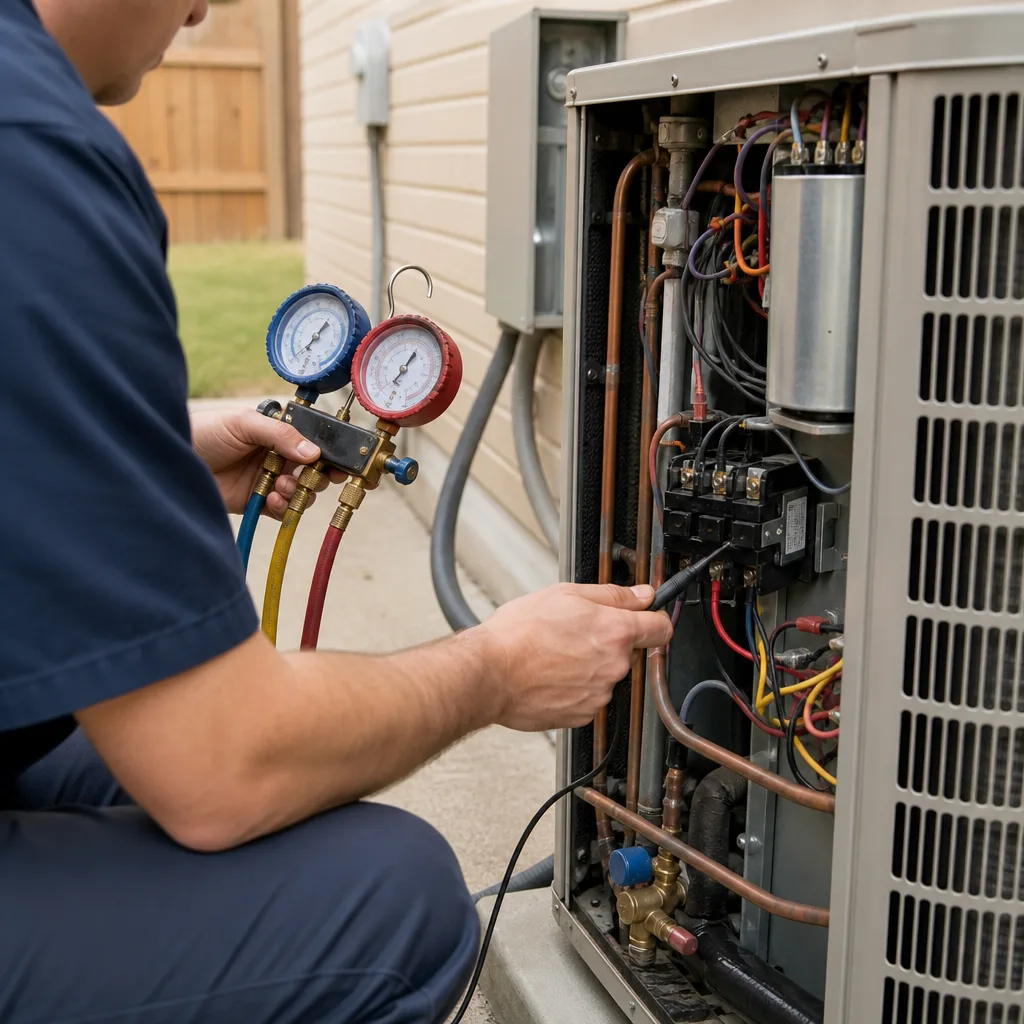
- Capacitor replacement – the small cylinder that gives the compressor and fan motor their starting jolt. It fails often in Texas heat and is a component swap.
- Contactor replacement – the relay switch that turns the condenser on and off. No permit needed.
- Condensate pump replacement – the small pump that moves water from the indoor unit to a drain. Component swap.
- Thermostat replacement – swapping a thermostat, even a smart one, doesn’t require a permit in Dallas as long as the mounting plate and low-voltage wiring stay the same.
- Refrigerant leak repair and recharge – repairing a leak in the line set and recharging refrigerant is a repair, not a replacement. No permit unless the line set itself is being replaced or rerouted.
- Blower motor replacement – the fan motor inside the furnace or air handler. Component swap.
- Coil cleaning and maintenance – seasonal tune-ups, cleaning, and filter changes never require a permit.
Some contractors in the Dallas market use this “no permit needed” list to blur the line. They’ll replace an entire condenser and call it a “component swap” because the pad and line set stayed in place. That’s not how the City of Dallas reads it. The equipment change is the trigger, not the amount of new piping. If the serial number on the outside unit changes, you need a permit.
How to Look Up Whether a Permit Was Pulled on Your Dallas Address
The City of Dallas makes permit records public, but the portal isn’t obvious if you’ve never used it. Here’s the step-by-step process to check whether a permit was pulled and closed for work done at your address:
- Go to the City of Dallas Development Services portal. Search “City of Dallas permit search” or go directly to the Development Services Department page and look for “Building Permits” or “Search Permits.”
- Enter your street address. Use the format the city uses: number, direction if applicable, street name, street type. For example, “1234 Mockingbird Ln” not “1234 Mockingbird Lane.”
- Filter by permit type. Look for permits with descriptions like “Mechanical,” “HVAC,” “Furnace,” “Condenser,” “Duct,” or “Gas.” A furnace replacement might show as “Mechanical Permit – Gas Furnace Replacement” or similar language.
- Check the status. The permit will show as “Issued,” “Inspected,” “Finaled,” or “Closed.” You want “Finaled” or “Closed.” An “Issued” permit that was never inspected is not a completed job.
- Look for the contractor name. The permit record should list the licensed contractor who pulled it. If the contractor who did your work isn’t on the permit, that’s a red flag.
- Check inspection results. The record will show inspection dates and whether they passed. If an inspection failed and was never re-inspected, the permit is not closed.
If you search and find nothing for an HVAC job done at your address, that means no permit was pulled. It doesn’t mean the work was exempt. It means whoever did the work skipped the process or never told you. In Dallas, the permit history for your address is a matter of public record, and it follows the property more than it follows the contractor.
AC Repair in Dallas done by a licensed contractor should come with a permit number you can look up yourself. If a company can’t produce a permit number after a replacement job, that’s not a paperwork delay. That’s a skipped step.
What a Dallas HVAC Inspection Actually Checks
A Dallas mechanical inspection isn’t a performance test. The inspector isn’t checking whether your AC blows cold air well enough or whether the furnace runs quietly. The inspection verifies that the installation meets the Texas Mechanical Code and the City of Dallas amendments to that code. It’s a minimum safety standard, not a quality review.
What the inspector checks on a typical replacement:
- Equipment clearance – The condenser outside needs enough space around it for airflow. The indoor unit needs service clearance in front of the access panel. The inspector measures from the unit to walls, fences, and other obstructions.
- Electrical disconnect placement – The condenser needs a visible, reachable disconnect box within sight of the unit. The inspector confirms the disconnect is within the required distance and that the amperage matches the equipment rating plate.
- Refrigerant line insulation – The suction line, the larger of the two copper lines, must be insulated along its full exposed length. In Dallas attics that regularly hit 140 degrees, missing insulation isn’t just a comfort issue. It’s a code failure.
- Condensate drain configuration – The inspector checks that the drain line has a proper trap, a cleanout access point, and a secondary drain or overflow switch. Dallas code requires a way to shut the system down if the primary drain clogs, to prevent water damage in the attic.
- Gas line pressure test – On any job that touches gas, the inspector may require a pressure test on the line before the connection is made final. This is usually done before inspection and the results are presented at the inspection.
- Flue venting on furnaces – The inspector verifies that combustion gases are routed properly and that the vent pipe slopes correctly. A furnace that vents into the attic instead of outdoors is a carbon monoxide hazard and will fail inspection.
- Equipment rating plate – The inspector confirms the installed unit matches what was permitted and that the BTU output and electrical requirements match the permit application.
We’ve seen inspections fail for small, fixable things: a missing condensate overflow switch, an uninsulated suction line in the attic, a disconnect box installed 18 inches too far from the condenser. These are the kinds of items covered on any AC repair maintenance checklist for Dallas homeowners. Those corrections are cheap when caught at inspection. They’re expensive when they cause a water damage claim or a compressor failure two years later.
Permits, Insurance, and the Home Sale: What Texas Disclosure Laws Require
This is the section most Dallas homeowners only wish they’d read before signing off on an unpermitted install. The liability chain is longer than people expect.
In Texas, the seller’s disclosure notice asks whether any additions, alterations, or repairs were made without required permits. The form is specific. If you knowingly had unpermitted HVAC work done and you answer “no” on that form, you’ve just committed a disclosure violation. The buyer can come back after closing, sometimes years later, and the damages can include the cost of bringing the work to code, plus legal fees.
Homeowner’s insurance is a separate problem. If an unpermitted furnace install leads to a fire damage claim, or an unpermitted condenser electrical connection causes an electrical failure, the insurer has grounds to deny the claim on the basis that the work was not inspected and not code-compliant. Texas insurers don’t need to prove the unpermitted work caused the loss. They need to show the policy language excludes unpermitted work, and most standard policies do.
The reverse is also true. Permitted, inspected work creates a paper trail that protects you. If a code-compliant, inspected installation has a problem five years later, the permit record shows the work met the standard at the time. That’s a protection, not a liability.
Texas Mechanical Code Requirements That Affect Every Replacement
The City of Dallas enforces the International Residential Code (IRC) and the Texas Mechanical Code with local amendments. Most homeowners never read these requirements, but they directly affect how a replacement job is done and what it costs.
Three code items that show up on nearly every Dallas replacement job:
- Equipment clearances per the manufacturer’s installation instructions. The code defers to the equipment maker for required clearances. A Carrier condenser and a York condenser may have different required clearances based on design. The inspector checks the manufacturer’s installation manual, not a one-size-fits-all number. That’s why the install crew needs the manual on site for inspection day.
- Refrigerant line insulation requirements. The suction line must be insulated to prevent condensation, and in Dallas attics, the code requires insulation rated for the heat exposure. This is a recurring failure point because attic temperatures in Dallas regularly exceed 130 degrees in the summer months. Insulation that holds up in a Michigan basement fails in a Dallas attic.
- Condensate disposal requirements. The primary drain must have a trap and a cleanout. The secondary drain must either run to a visible location outside the house or connect to an overflow float switch that disables the system. In Dallas, the typical setup is a secondary drain line exiting under a soffit or eave, plus a float switch in the pan. Both are required on new installations, and the inspector checks both.
One more requirement that surprises homeowners: in Dallas, the inspector checks that the unit’s rating plate matches the Manual J load calculation for the home. A contractor who installs a 5-ton Bryant condenser where a 3-ton calculation was done will fail inspection. The days of “bigger is better” sizing are over, and the inspection process is one reason why.
How Long the Permit-to-Inspection Process Takes in Dallas
The timeline from permit pull to final inspection in Dallas is more predictable than most people expect, but it’s not next-day. Here’s the realistic sequence:
- Permit application – same day to 2 business days. The contractor submits the permit application with equipment details and a scope of work. Simple replacements are often turned around same day. New installations with ductwork changes may take a day or two for review.
- Installation – typically 1 day for a standard replacement. The work is done once the permit is issued. The contractor must have the permit posted or available on site.
- Inspection request – 1 business day. After the install, the contractor requests the inspection through the city’s online portal. Dallas typically schedules inspections for the next business day, though volume can push it to two days in peak summer when every HVAC company in town is pulling permits.
- Inspection – 30 to 60 minutes on site. The inspector walks the job, checks the items listed above, and either passes the work or issues a correction list.
- Corrections and re-inspection – 1 to 3 business days if needed. If corrections are required, the contractor fixes the items and requests a re-inspection. Re-inspections are typically prioritized.
- Final approval – permit closed. The city marks the permit as finaled, and the record is attached to your address permanently.
Total time for a clean job: 3 to 5 business days from start to closed permit. The installation itself is still a one-day job. What changes is the paperwork trail before and after.
Some Dallas homeowners ask us to skip the permit to “speed things up.” It doesn’t speed anything up. The job still takes a day to install. Skipping the permit just removes the inspection step, and the inspection is the part that confirms the job was done to code. It’s not a delay. It’s a verification.
Common Mistakes to Avoid
- Believing the contractor who says “we don’t need a permit for this.” If the job involves installing new equipment or moving ducts, you need a permit in Dallas. The contractor’s convenience isn’t a code section.
- Not checking the permit status after the work is done. Pulling a permit and closing a permit are two different things. An open permit on your address is a cloud on your title and a disclosure headache.
- Paying cash to “avoid the permit fee.” The permit fee is a small part of the job cost. If a contractor offers to waive it, they’re not doing you a favor. They’re keeping the work off the record.
- Allowing a contractor to install a different unit than the permit lists. Some companies permit a 3-ton system and install a 4-ton one to clear inventory. The inspector checks the rating plate. The mismatch fails inspection and the contractor has to replace the unit.
- Signing a contract without a permit line item. A proper HVAC replacement contract in Dallas should list the permit cost as a separate line item. If it’s not there, ask why.
- Waiting until you’re selling the house to check permit history. Permit corrections take time. If you discover an unpermitted install two weeks before closing, you don’t have time to pull a permit, schedule an inspection, and close it out. Check when the work is done.
When to Call a Professional
Any job that involves refrigerant, gas lines, or electrical connections is a job for a licensed contractor. Texas law requires that HVAC work involving refrigerant be done by a licensed HVAC technician. That’s not a recommendation. It’s a licensing requirement enforced by the Texas Department of Licensing and Regulation.
Gas furnaces add another layer. A gas line connection done incorrectly is a carbon monoxide risk, and carbon monoxide exposure doesn’t announce itself. In Dallas, where furnaces run hard in the winter months and houses are closed up tight, an improper gas connection or a misrouted flue vent is a genuine hazard. Furnace Repair in Dallas on a gas unit should always be done by a licensed contractor who pulls the required permit when the scope triggers one.
Dalton Heating & Air Dallas offers free estimates in Dallas – call (254) 280-5320 to talk through your project and get a written price before any work starts. Every job includes a written guarantee, and if it’s not done right, we make it right under the 365-Day Done Right Promise.
Frequently Asked Questions
Yes. Replacing a condenser, furnace, evaporator coil, or the full system requires a mechanical permit from the City of Dallas, even if it’s a like-for-like replacement. The only exception is component repair within an existing unit, like a capacitor or blower motor swap.
The contractor pulls the permit. A licensed HVAC contractor in Dallas applies through the Development Services Department portal, lists the equipment being installed, and schedules the inspection after the work is done. The permit record shows the contractor’s name and license information.
HVAC permit fees in Dallas typically range from $40 to $150 depending on the scope of work, the number of inspections required, and whether electrical or gas work is included. The exact fee depends on the valuation of the job. The permit cost should be a line item on your contract.
You can pull a permit after the fact as a homeowner, but a licensed contractor will need to inspect the work for code compliance and potentially correct any issues before the city will sign off. In Texas, you as the homeowner hold responsibility for code violations on your property, even if the contractor was the one who skipped the permit.
Home inspectors don’t always check permit history, but title companies and buyers’ agents often do. A buyer who pulls the permit record for your Dallas address and finds an unpermitted HVAC install can demand corrections before closing. The Texas seller’s disclosure form also requires you to answer honestly about unpermitted work.
No. Texas law requires a license to handle refrigerant, and the City of Dallas requires a permit for installation work. A DIY install that’s discovered later will need to be corrected by a licensed contractor and inspected before you can sell the house or file an insurance claim with confidence.
Yes. On any job that requires a permit, we pull it before work starts, schedule the inspection after, and provide you the permit number so you can track it in the city portal. It’s part of Dalton Heating & Air Dallas home standard: the job is done by the book, and the permit is part of the book.
A Heat Pump Installation in Dallas requires a mechanical permit because it involves refrigerant line connections, electrical work, and often changes to the indoor air handler. The inspection will cover the same items as a traditional AC replacement: clearances, electrical disconnect, refrigerant line insulation, condensate drains, and equipment rating plate verification.
The Bottom Line
Permits aren’t a bureaucratic hurdle. They’re the only proof that the work done at your Dallas address met the minimum code standard at the time it was installed. For more guides & resources on protecting your home and your investment, see our blog. That proof matters when you sell the house, when you file an insurance claim, and when something goes wrong years later and the cause traces back to the installation. If your contractor says the permit isn’t necessary, ask them to show you the code section. If they can’t, find a contractor who can. Dalton Heating & Air Dallas has held to The Garrison Standard since 2003: written pricing before any work starts, a permit on every job that requires one, and a written guarantee on every repair. Call (254) 280-5320 for a free estimate or to verify whether a permit was pulled on work already done at your address.
Written by Marco Benitez, Owner at Dalton Heating & Air Dallas, serving Dallas since 2003.
See the difference
 Before
 After
After Before
 After
After Before
 After
After