
Last updated October 16, 2026
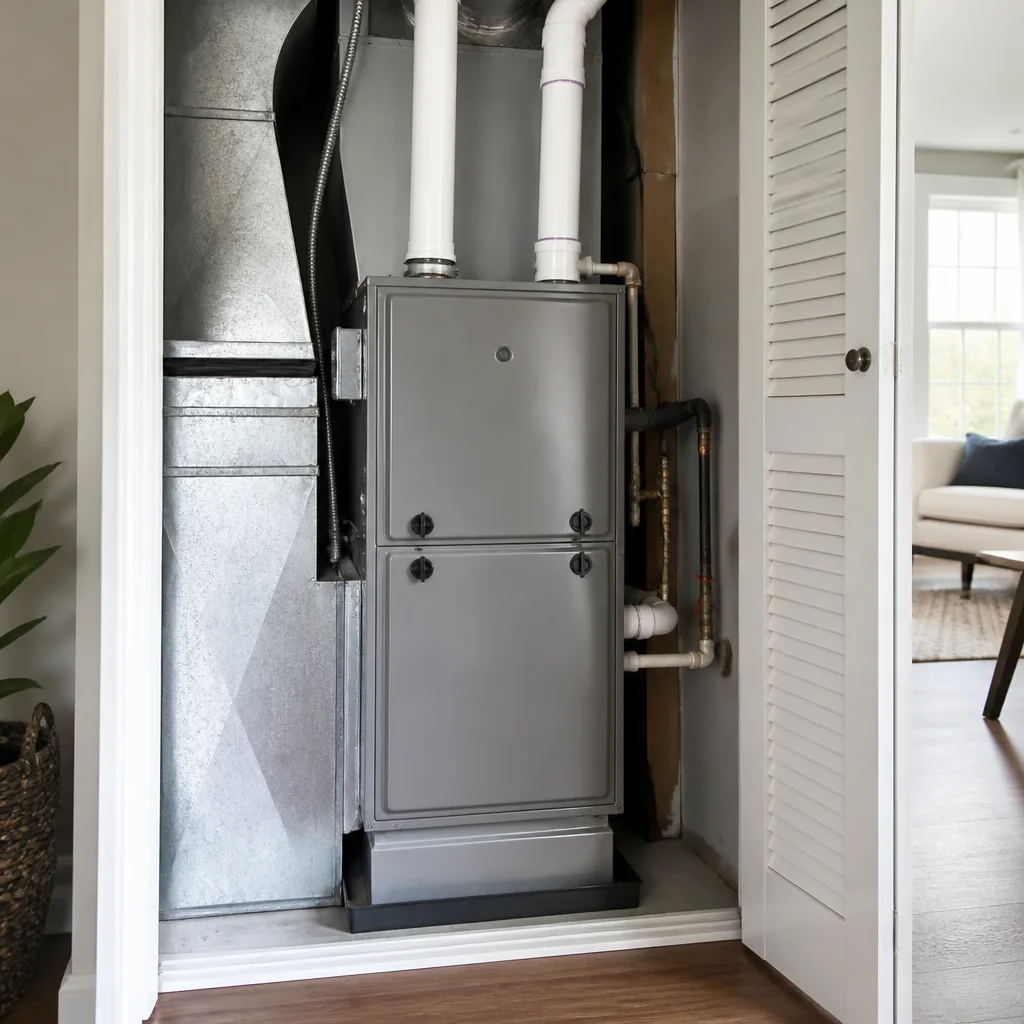 Furnace & heating
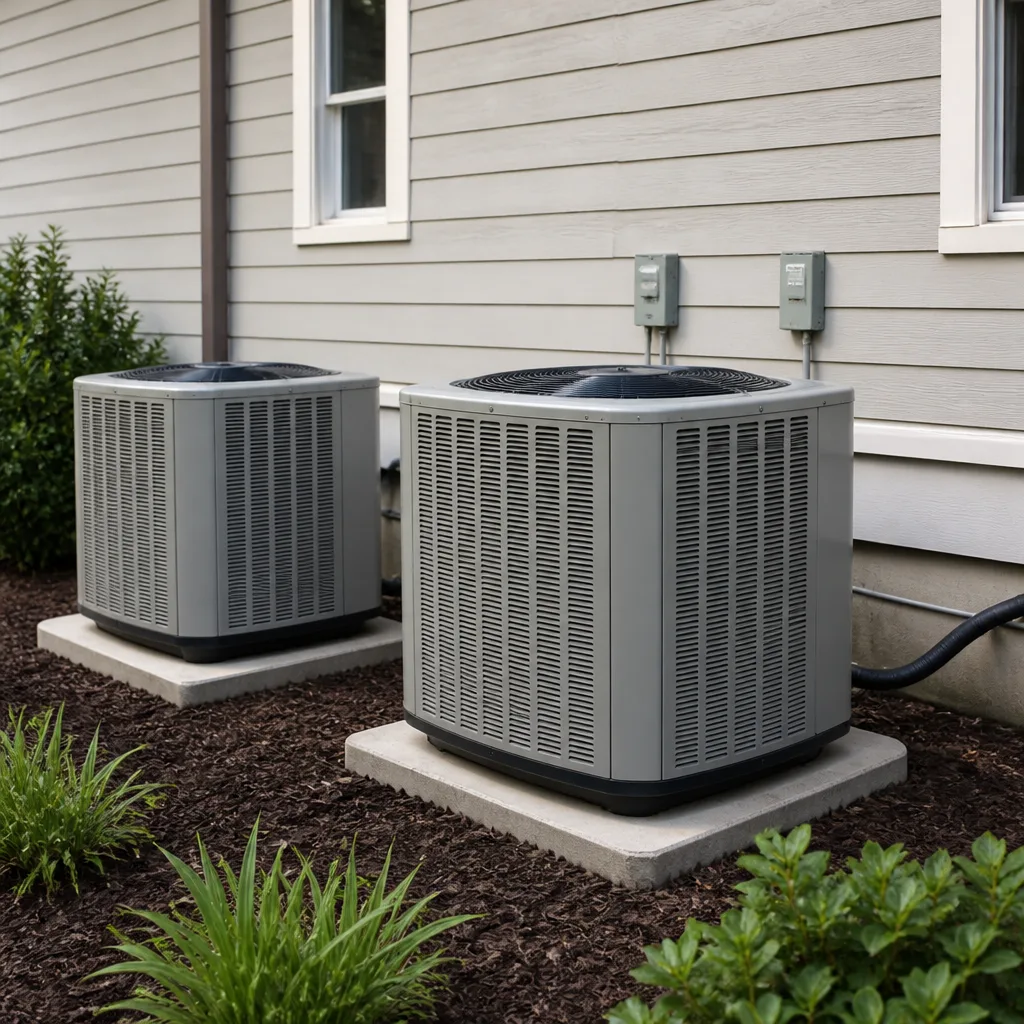 Heat pumps
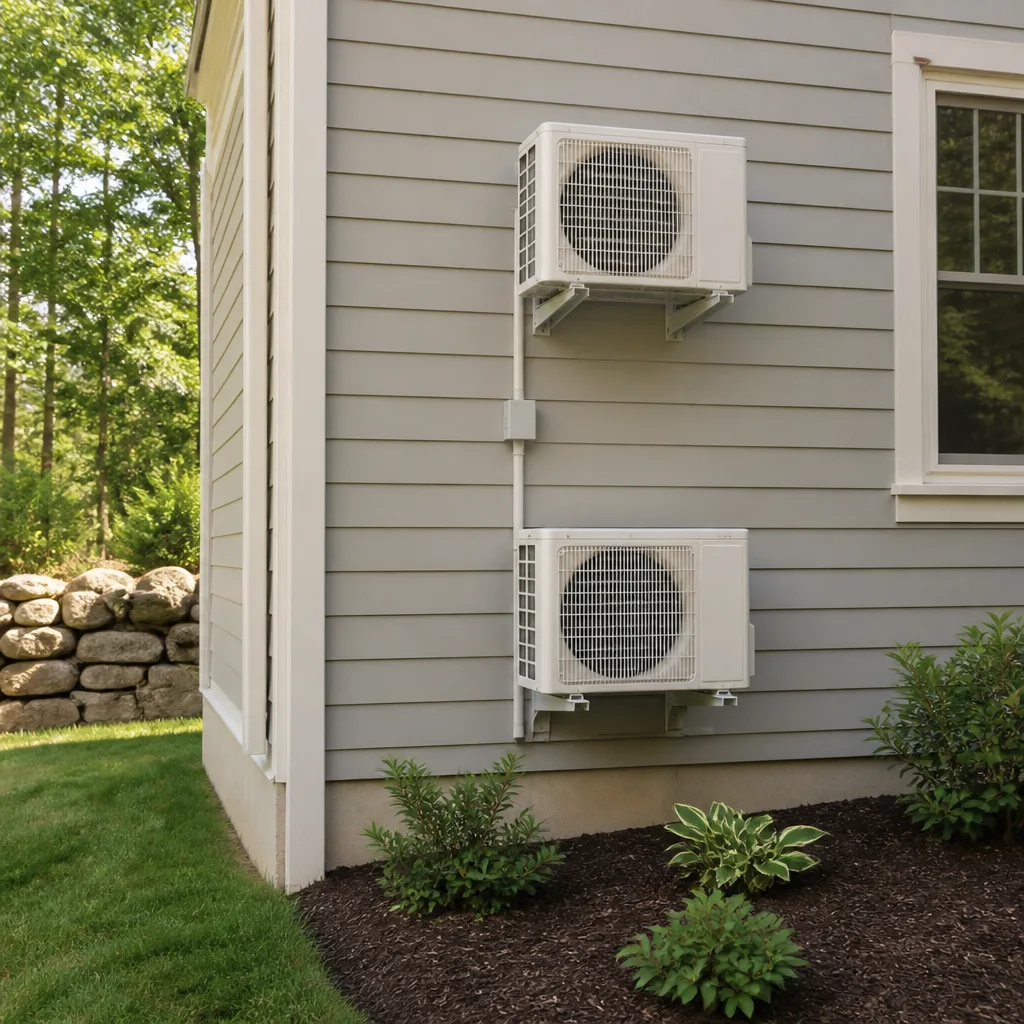 Ductless mini splits
 Goodman
Seasonal tune-up and full diagnostic on your Carrier, Trane, or Goodman system - readings shown to you before any repair is proposed
Diagnosis first, numbers second - you approve the repair price before a single part goes in.
Get your free estimateSeasonal HVAC Care for Dallas: Year-Round Homeowner’s Guide
The best time to find out your furnace igniter is cracked is in October, not at 11 p.m. on the first hard freeze in December when every Dallas HVAC tech is booked solid. Dallas doesn’t have four equal seasons. It has two brutal ones, summer and winter, and two short transition windows in March and October where the smartest maintenance gets done. This guide is built around that reality, alongside our Complete Guide to HVAC in Dallas. You’ll learn which tasks matter in which month, what a typical repair costs in the Dallas market, which items you can check yourself, and which ones genuinely need a trained hand. If you own a home in Dallas, this is the operating manual for your heating and cooling system that most contractors never hand over.
Styles & brands we work with
Quick Answer
Seasonal HVAC care in Dallas comes down to two critical service windows each year: March, before summer heat loads hit, and October, before the first hard freeze. Book a professional tune-up during those months (see our AC Repair Maintenance Checklist for Dallas Homeowners), check your condensate drain every 30 days through summer, and replace your air filter quarterly at minimum. Skipping the March or October window means you’ll face longer wait times and higher emergency rates when the system fails at the worst possible moment.
Table of Contents
- The March Window: Prep Before the First 95-Degree Day
- June Through August: The 30-Day Condensate Protocol
- The October Window: Furnace Inspection Before the Rush
- Winter Prep: Ice Storms, Clay Soil, and Hidden Duct Leaks
- Filter Replacement Schedule That Actually Works in Dallas
- Repair or Replace: Reading the Signs in a Dallas Climate
- Common Mistakes to Avoid
- When to Call a Professional
- Frequently Asked Questions
- The Bottom Line
The March Window: Prep Before the First 95-Degree Day
In Dallas, March is the month that separates a comfortable summer from an expensive one. By mid-April, daytime highs start pushing into the 80s. By late May, the air conditioner is running daily. The problem is that most Dallas homeowners don’t think about their AC until the first 95-degree day in June, and by then, every reputable HVAC company in the metroplex is booked a week or more out. If you’re weighing whether to handle tasks yourself, our DIY vs Professional HVAC guide can help you decide. The March window exists because it’s the last stretch of mild weather where a tune-up can happen on your schedule, not on a breakdown’s schedule.
What should actually happen in a March tune-up? Three things matter most:
- Evaporator coil cleaning. The indoor coil sits above your furnace or inside the air handler. Over a Dallas winter, it collects dust, pet hair, and sometimes construction debris. A dirty coil reduces heat transfer and forces the compressor to work harder. That’s not a vague concern. A coil caked with even a thin layer of grime can cut cooling capacity by 10 to 15 percent, and in a Dallas August, that’s the difference between holding 74 degrees and creeping up to 79 by late afternoon.
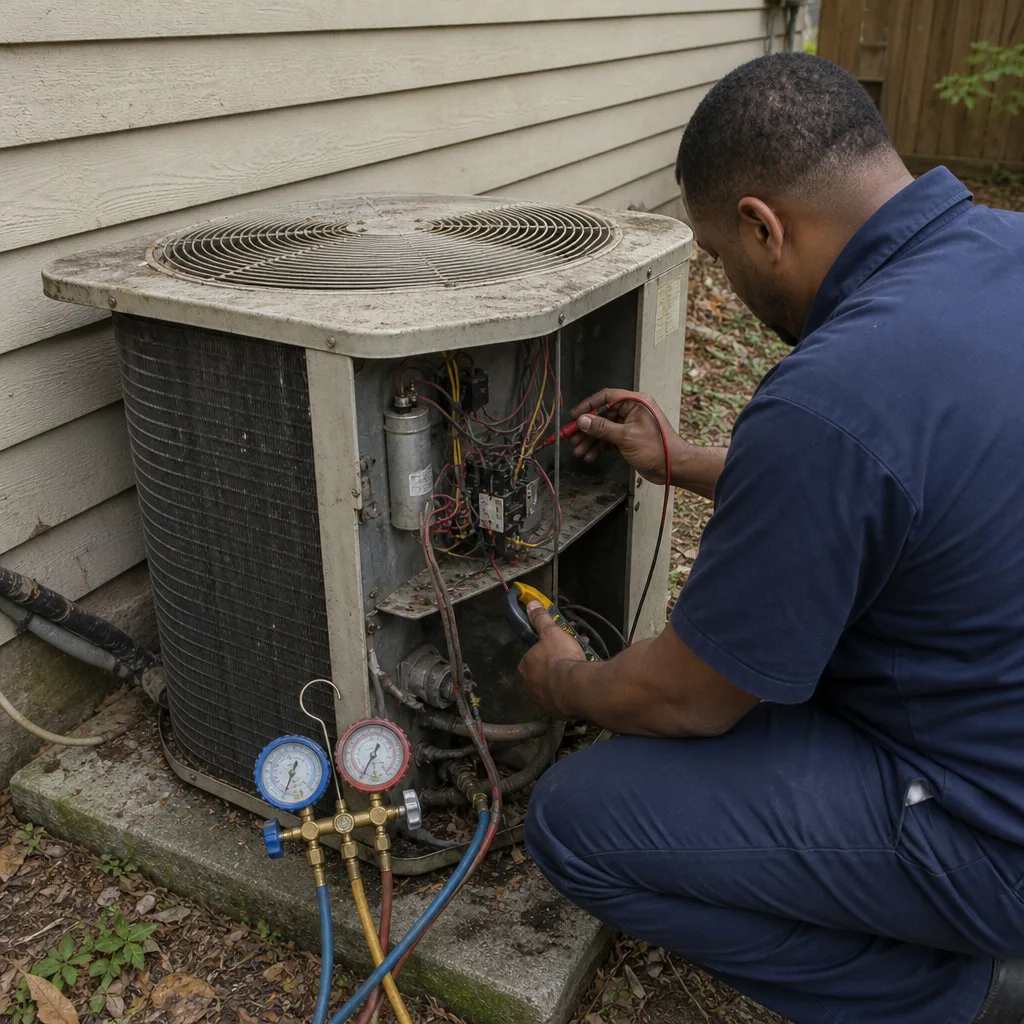
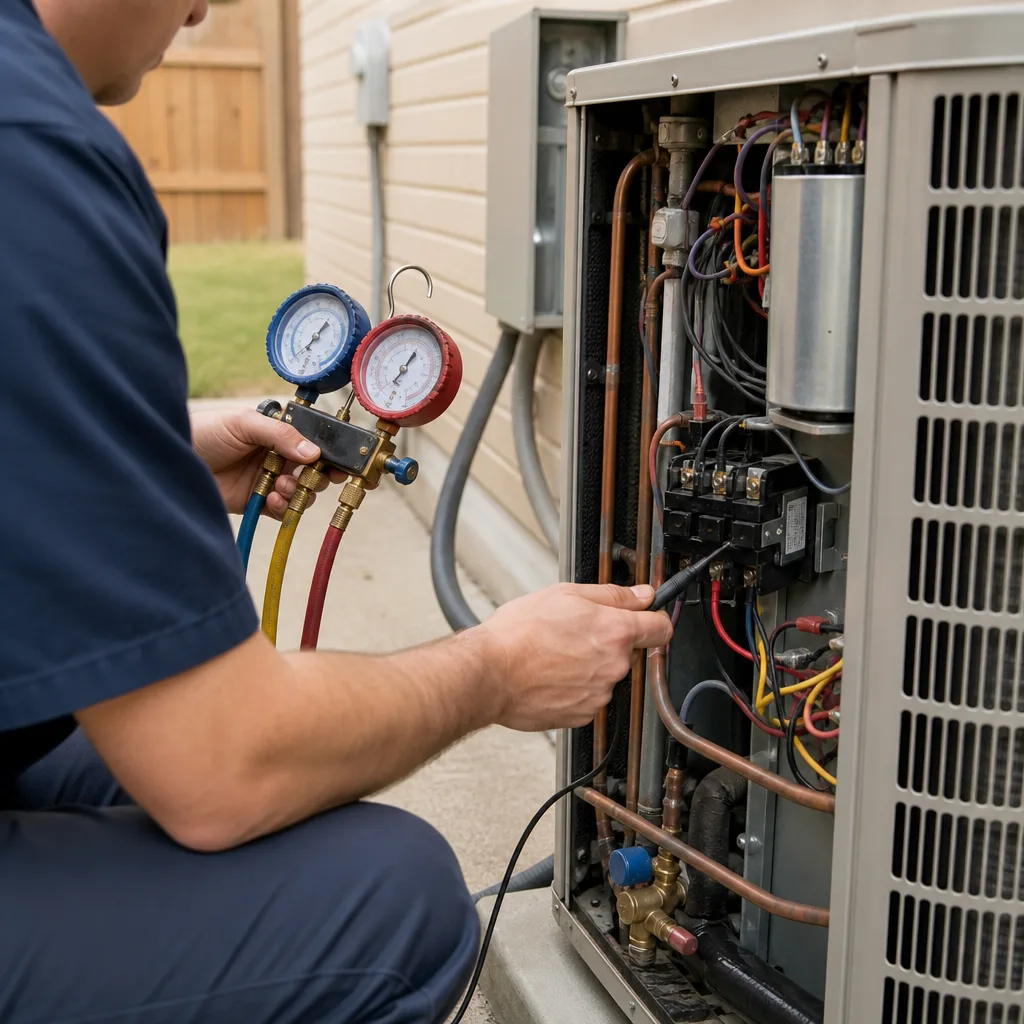
- Refrigerant pressure check. Refrigerant is the cooling fluid that absorbs heat from your home and dumps it outside. Systems are sealed, but slow leaks happen, especially at brazed joints and Schrader valves. A system that’s low by even 10 percent loses noticeable cooling capacity. Checking pressure in March catches the leak before June, when a low charge forces the system to run continuously and can damage the compressor.
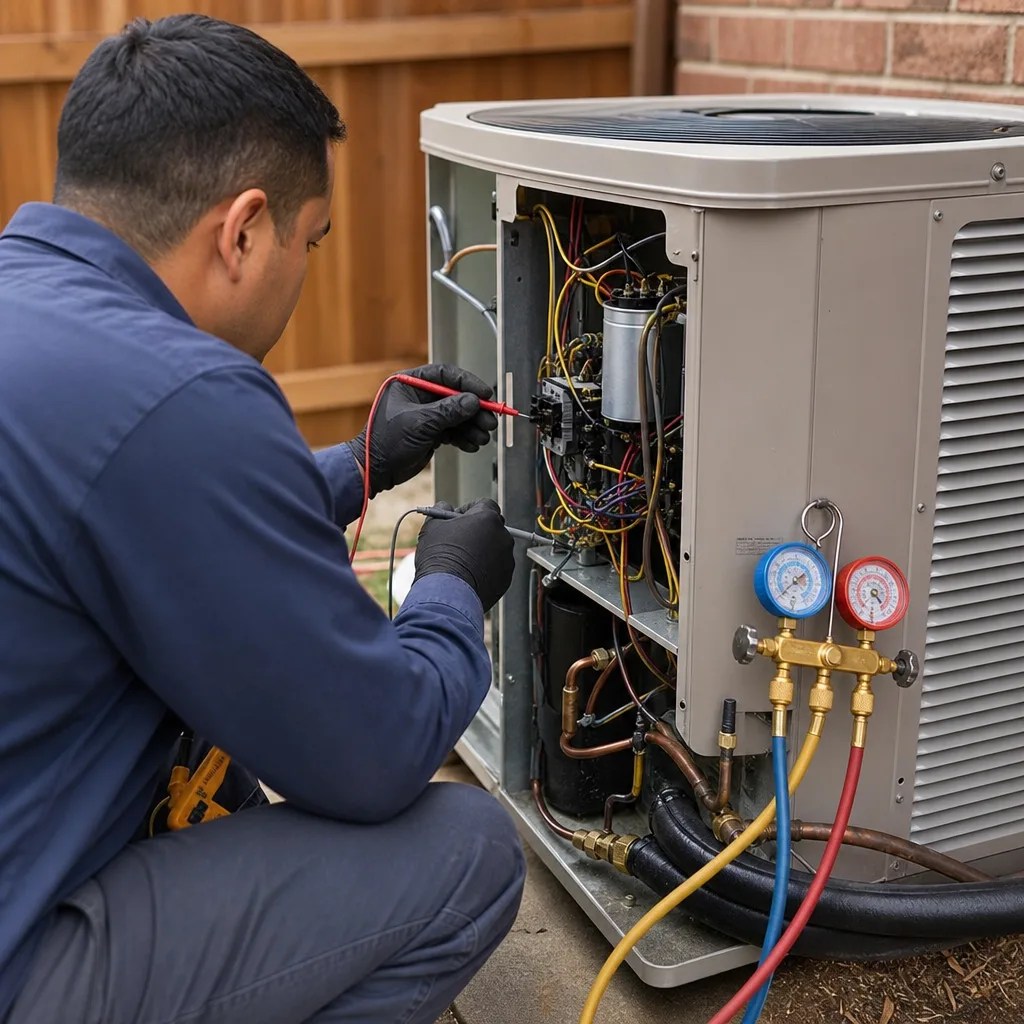
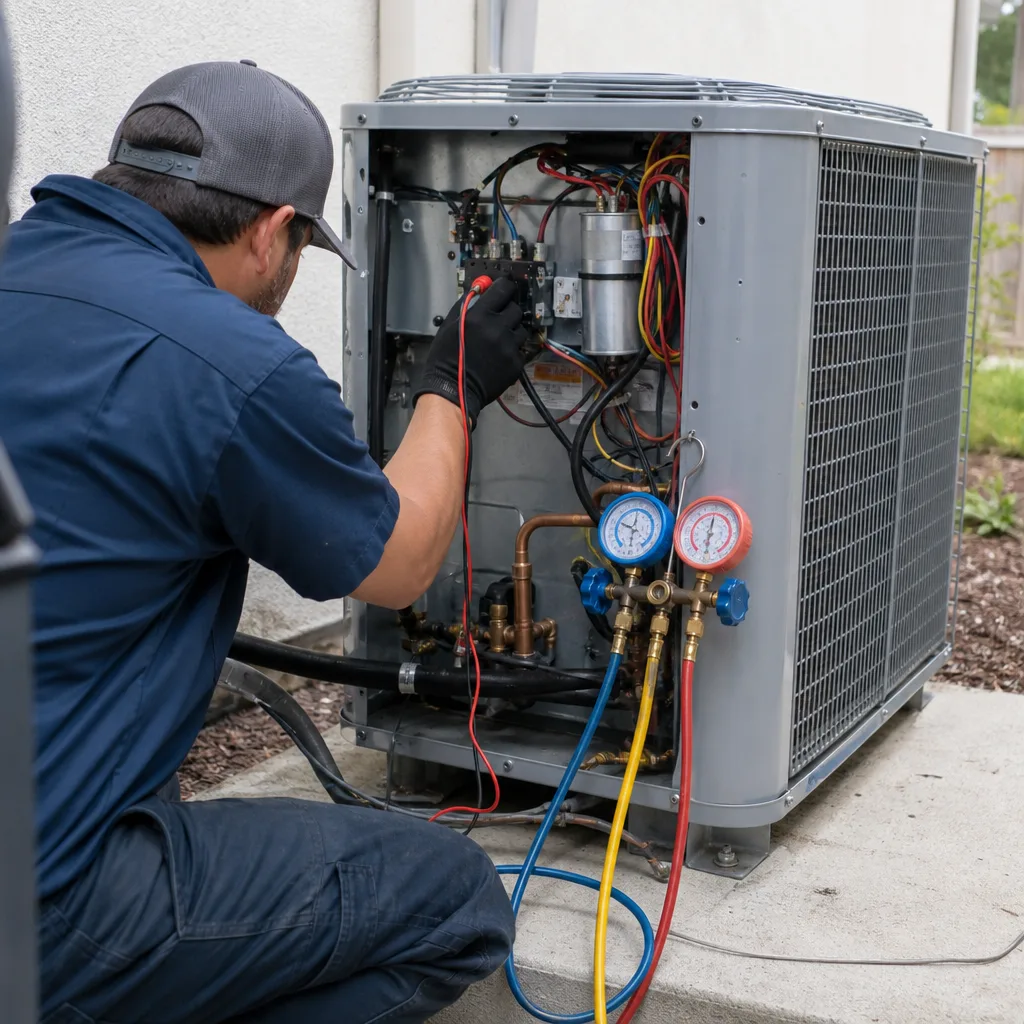
- Capacitor and contactor testing. The capacitor is the small cylinder that gives the compressor and fan motor their starting jolt. The contactor is the electrical switch that turns the system on. Both wear out on a predictable schedule in Dallas heat, and both are cheap to replace during a scheduled visit and expensive to replace at 9 p.m. on a Saturday in July.
If you’re deciding whether to book this preseason work or skip it, know the math. A typical March maintenance visit in Dallas runs $89 to $189 depending on the system type and what’s included. A summer emergency call runs $150 to $400 just for the diagnostic, before any parts or labor. At Dalton Heating & Air Dallas home, every job includes a written price before any work starts, so you know exactly what the March visit costs before we touch anything.
We also see a lot of Dallas homes with undersized or aging systems. If your AC is 12 years old or more, the March window is the right time to think about whether this is the season to replace it with a heat pump instead of nursing it through another summer. We’ll cover repair-versus-replace math later in this guide.
June Through August: The 30-Day Condensate Protocol
Here’s what most homeowners don’t realize about Dallas humidity: your air conditioner is doing two jobs at once. It’s lowering the temperature and it’s pulling moisture out of the air. That moisture has to go somewhere. It collects on the evaporator coil, drips into a drain pan, and flows out through the condensate line. In a Dallas summer, that line can carry several gallons of water per day.
The problem isn’t the water. It’s what grows in the water. The condensate line is dark, damp, and full of organic matter that algae and mold love. Over time, the line clogs. When it clogs, the drain pan fills up, the float switch trips, and your AC shuts down completely. Or worse, the pan overflows and you get water damage on a ceiling or a closet.
In our experience across Dallas, clogged condensate lines are the single most common avoidable AC failure in July and August. The fix is straightforward, but the schedule matters. Checking the condensate line once a season is not enough in this climate. Here is the protocol that works:
- Every 30 days from June through September, locate the condensate drain line. It’s usually a white PVC pipe near the indoor unit, or a pipe stub outside the house, often near the condenser.
- Look at the outside stub. If water drips when the AC is running, the line is clear. If it’s dry while the AC runs, the line may be clogged.
- Check the drain pan. If you can see the pan under the indoor unit, look for standing water. Water means the line is backing up.
- If you suspect a clog, turn the system off and call a technician. A professional can blow out the line safely and often install a cleanout tee so future checks take minutes instead of a service call.
This is a case where prevention is genuinely cheaper than repair. A condensate line cleaning during a scheduled visit costs between $75 and $150 in the Dallas market. Emergency call-outs for a tripped float switch run $150 to $300, and if water has already damaged drywall, you’re looking at a separate repair bill that can easily pass $1,000. A homeowner with a wet-vac and some basic knowledge can flush a line, and plenty of Dallas residents do. But if the system has already tripped or you see water where it shouldn’t be, that’s a call to AC repair in Dallas before the ceiling gives way.
One more summer-specific point: your outdoor condenser unit needs airflow. Check it monthly for grass clippings, cottonwood fuzz, leaves, and anything else Dallas wind blows against it. A condenser with blocked fins can’t reject heat, and a system that can’t reject heat runs hotter and fails sooner. Keep at least 18 inches of clearance around the unit.
The October Window: Furnace Inspection Before the Rush
The mirror image of March is October. By Halloween, Dallas nights are regularly dipping into the 50s and occasionally the 40s. The first hard freeze typically arrives in late November or December. And just like June, when everyone calls about their AC at the same time, the first freeze triggers a citywide rush on furnace repair.
The October window is the only month you can do a furnace inspection without a two-week wait. Here’s what an October furnace inspection in Dallas should cover:
- Heat exchanger inspection. The heat exchanger is the metal chamber that separates combustion gases from the air blowing through your home. Over years of heating cycles, metal expands and contracts, and hairline cracks can develop. A cracked heat exchanger leaks carbon monoxide into living spaces. This is not a performance issue. This is a life-safety issue. Every October inspection starts here.
- Igniter resistance test. Most modern furnaces use a hot surface igniter, a small ceramic element that glows red-hot to light the gas. Igniters have a finite life span. They don’t fail gracefully. One day they work, the next day they don’t, and the furnace blows cold air. A technician can test igniter resistance in October, spot one that’s near the end of its life, and replace it before the first freeze. A replacement igniter typically costs $150 to $350 installed in Dallas, depending on the furnace brand.
- Flame sensor cleaning. The flame sensor is a small metal rod that confirms the burner actually lit. It develops a thin carbon coating over time, and once it’s coated, the furnace lights and then shuts off within seconds as a safety measure. Cleaning is a five-minute job.
- Gas pressure and burner inspection. A furnace that’s been idle for seven months can develop spider webs or debris in the burner tubes, especially in North Texas where brown recluse spiders are common. Low gas pressure or blocked burners cause inefficient combustion and sooting.
Pricing for a furnace inspection and tune-up in Dallas generally runs $89 to $179. Compare that to an emergency no-heat call in December, which runs $100 to $250 for the diagnostic alone. And here’s a practical reality: when the first freeze hits and 40,000 Dallas furnaces all fire up for the first time in months, the failure rate spikes. It’s not random. It’s deferred maintenance. The furnaces that fail on the first hard freeze are overwhelmingly the ones that didn’t get an October inspection. If you need furnace repair in Dallas, the time to schedule it is before you need it.
Winter Prep: Ice Storms, Clay Soil, and Hidden Duct Leaks
Dallas winters are mild on average and occasionally extreme. February 2021 taught homeowners that when an ice storm hits North Texas, it hits hard. Your HVAC system faces specific challenges in Dallas winter weather, and most of them are not about the furnace. They’re about the system’s exposure to freezing rain and the movement of the ground beneath your slab.
Pipe Insulation for Exposed Refrigerant Lines
Your outdoor condensing unit is connected to your indoor coil by two copper lines, one large insulated line and one smaller uninsulated line. In a heat pump system, both carry refrigerant that moves heat either into or out of your home. In a traditional AC-only system with a furnace, those lines sit idle all winter, but they’re still exposed. When an ice storm coats Dallas in freezing rain, exposed refrigerant lines can freeze internally, and water that gets into the insulation jacket expands when it freezes, cracking the insulation. The fix is simple: make sure the refrigerant line insulation, called armaflex, is intact before winter arrives. Check it in October while you’re doing the furnace inspection. It’s a cheap fix, usually under $100, and it prevents a much more expensive repair later.
Outdoor Unit Icing: When It’s Normal and When It’s Dangerous
If you have a heat pump, light frost on the outdoor coil during cold weather is normal. The unit runs a defrost cycle periodically to melt it. If you see thin frost that comes and goes, no action needed. The warning signs are different. If the entire coil is coated in thick ice and the defrost cycle isn’t clearing it, the defrost control board, sensor, or reversing valve may have failed. If ice forms on the fan blades or the fan can’t spin freely, turn the system off. Run the emergency heat setting on your thermostat and call a technician. Do not chip ice off the coil with a tool. Coils are thin aluminum fins, and a screwdriver will puncture them. Let a professional handle a heavily iced unit.
Clay Soil and Duct Connections
This is a Dallas-specific issue most national guides never mention. The soil across much of Dallas County and surrounding areas is expansive clay, the kind that shrinks dramatically in summer drought and swells after heavy rain. Your home’s foundation moves with it, in fractions of an inch. Over years, that movement shifts framing, and when framing shifts, duct connections in the attic can loosen. A disconnected or partially disconnected duct dumps conditioned air into the attic, which means your system runs longer to hold temperature and you pay for air you never feel.
After major soil movement events, like the end of a long summer drought followed by heavy fall rains, walk your attic if it’s accessible. Look for duct sections that have pulled apart at the joints, obviously sagging flex duct, or dust patterns that show air escaping. If you see something suspicious, a professional can seal and reconnect the duct properly. A duct-sealing visit in Dallas typically runs $200 to $600 depending on the number of leaks. It’s not glamorous work, but it pays for itself in a single cooling season.
Filter Replacement Schedule That Actually Works in Dallas
Filter advice gets repeated so often it’s become background noise, but most Dallas homeowners get it wrong because the generic advice doesn’t match local conditions. The standard line is “replace every three months.” That works in a mild climate with a sealed home. It doesn’t work in Dallas, where your system runs hard for months at a time and pulls in pollen, dust, and whatever the construction site down the street is kicking up.
Here is the schedule we recommend for Metroplex homes:
- 1-inch fiberglass or basic pleated filters: Replace every 30 to 60 days during peak summer (June through September) and peak heating season (December through February). Every 90 days is fine in spring and fall.
- 4-inch media filters: Replace every 6 months. These are the thicker filters in a dedicated cabinet, common on newer Dallas homes.
- Homes with pets or allergy sufferers: Shorten the interval by 30 percent. Two dogs in a 2,500-square-foot home means a 1-inch filter is done in 45 days, not 90.
- During construction or renovation: Check the filter every two weeks, no exceptions. Drywall dust and blown-in insulation will clog a filter faster than anything else in a Dallas home.
A clogged filter doesn’t just reduce airflow. It increases static pressure, which makes the blower motor work harder, which shortens its life. It also pulls the evaporator coil temperature down, which can cause the coil to ice over. A blower motor replacement in Dallas runs $400 to $1,200 depending on the motor type. A $15 filter changed on schedule prevents that. The math favors the filter.
If you’re not sure which filter your system takes, check the existing filter. The size is printed on the frame. Buy the same size, and don’t chase the highest MERV rating you can find. A MERV 13 filter in a system designed for MERV 8 restricts airflow and can cause the same problems as a dirty filter. MERV 8 to 11 is the sweet spot for most residential systems.
Repair or Replace: Reading the Signs in a Dallas Climate
The repair-or-replace decision is harder in Dallas than in most markets because the cooling season is so long. A system in Minneapolis runs its AC three months a year. A system in Dallas runs it six to seven months. That means Dallas systems age faster in cooling-hours terms, even when the calendar age looks ordinary.
Here’s the decision framework we use with Dallas homeowners:
Repair makes sense when:
- The system is under 10 years old and the repair costs less than half the price of a new system.
- The repair is a wear part: capacitor, contactor, igniter, flame sensor, condensate pump. These are designed to be replaced.
- The system holds temperature well and your electric bill hasn’t crept up noticeably.
- The repair fixes the problem for good. A clogged drain line, a bad thermostat, a dirty coil: these are fixes, not band-aids.
Replacement makes sense when:
- The system is 12 years or older in a Dallas climate, especially if it’s R-22 refrigerant. R-22 production ended in 2020, and the remaining supply is expensive. A recharge alone can run $200 to $500, and you’ll pay it again when the slow leak returns.
- The repair is a compressor or heat exchanger. A compressor replacement on a 12-year-old system is $1,500 to $3,000, which is half or more of the cost of a new system that comes with a 10-year parts warranty.
- Your summer electric bills have climbed 20 percent or more without a change in usage. That’s a system losing efficiency across the board.
- The system is short-cycling, making unusual noises, or no longer holding temperature on the hottest Dallas afternoons.
If replacement is the call, know that the math has shifted in recent years. Modern heat pumps are dramatically more efficient than systems from 2010. Federal tax credits under the Inflation Reduction Act still offer up to $2,000 for qualifying heat pump installations, and Dallas-area utility rebate programs shift from year to year. A properly sized heat pump installation in Dallas can cut cooling-season electric bills by 30 to 40 percent compared to a 15-year-old system. We handle the paperwork for rebates and financing on every install, and the price is in writing before we order any equipment.
Common Mistakes to Avoid
- Skipping the October inspection and waiting for the first freeze. Every year, the first hard freeze in Dallas triggers a wave of no-heat calls, and every year, most of those furnaces had visible warning signs in October. The igniter was weak, the flame sensor was coated, the heat exchanger was cracked. The October window exists for a reason.
- Checking the condensate line once per season. Dallas humidity loads are too high for a once-a-year check. A line that’s clear in May can be clogged by mid-July. The 30-day protocol works; the seasonal protocol doesn’t.
- Using the highest MERV filter you can buy. Restrictive filters starve the system for air. Unless a doctor has specifically recommended high-MERV filtration for a medical condition, stay at MERV 8 to 11.
- Ignoring the outdoor unit for months at a time. Cottonwood season in Dallas in late spring coats condenser fins in a fine white fuzz. Leaves in fall pile against the unit. Grass clippings from summer mowing stick to the coil. All of it blocks airflow, and blocked airflow kills compressors.
- Chipping ice off a frozen heat pump coil. The aluminum fins on an outdoor coil are easy to puncture, and a punctured coil is an expensive repair. If the defrost cycle isn’t clearing the ice, switch to emergency heat and call a professional.
- Running an AC low on refrigerant through an entire Dallas summer. Low refrigerant doesn’t just reduce cooling. It causes the compressor to overheat and fail. A compressor replacement often costs as much as the system is worth. Catch the leak in March, not in August.
When to Call a Professional
Some tasks are homeowner work: changing filters, checking the condensate line, keeping the outdoor unit clear. Some tasks are not. If your furnace is showing signs of a cracked heat exchanger, the carbon monoxide risk is not a DIY problem. If the heat pump coil is iced over and the defrost cycle won’t clear it, there’s an electrical or refrigerant problem behind it. If a refrigerant line has a leak, it requires specialized tools and an EPA certification to handle. If the breaker trips repeatedly or you smell burning from the air handler, shut the system off. A professional needs to look at it. Dalton Heating & Air Dallas offers free estimates across the metroplex. Call (254) 280-5320. A real person answers, and the price is in writing before any work begins.
Frequently Asked Questions
Twice per year is the right schedule for Dallas: once in March before cooling season, once in October before heating season. Homes with older systems, multiple pets, or allergy concerns may benefit from a third visit mid-summer to check the condensate line and coil condition. Each visit should take 60 to 90 minutes and include a written report of what was checked and what was found.
A standard seasonal tune-up in the Dallas market runs $89 to $179 depending on the system type and scope of the inspection. If the visit uncovers a needed repair, that cost is quoted separately before any work is done. At Dalton Heating & Air Dallas, the maintenance price is in writing before we arrive, and every repair includes a written guarantee for a full year. For more guides & resources, visit our blog.
You can, and many Dallas homeowners do, but the systems that fail on the hottest day of summer and the coldest night of winter are the ones that skipped maintenance. The specific failures we see in Dallas, clogged condensate lines, dead capacitors, cracked igniters, slow refrigerant leaks, all show warning signs before they fail. Maintenance catches them early, when the repair is $150 instead of $1,500. It’s an insurance policy with a better return than most.
There are several causes, and they point to different fixes. A dirty evaporator coil or a dirty filter reduces airflow and cooling capacity. Low refrigerant means the system can’t absorb enough heat. An undersized system simply doesn’t have the capacity for a 100-degree Dallas afternoon, and no amount of repair will fix that. A technician can diagnose the difference in one visit.
Light frost that forms and clears on a defrost cycle is normal. Thick ice that doesn’t clear, ice on the fan blades, or a unit that makes unusual noises while trying to defrost is not normal. Switch the thermostat to emergency heat and call a professional. The problem is usually the defrost control, the reversing valve, or a low refrigerant charge, and all three require a trained hand.
The general rule we use: if the system is under 10 years old and the repair is a wear part, repair it. If the system is over 12 years old and the repair is a compressor or coil, replace it. The math in Dallas leans toward replacement sooner than in milder climates because the cooling season is long enough that an inefficient system costs you every month from May through October. A new system with a 10-year warranty usually beats repeated repairs on a system that’s already lived most of its life.
The Bottom Line
Dallas HVAC care isn’t a year-round grind. It’s two focused windows, March and October, plus a few simple monthly checks through the hot months. Do the preseason inspections before the rest of the city does, and you’ll skip the emergency calls, the surge pricing, and the miserable nights without heat or cooling. Check the condensate line every 30 days in summer. Change the filter on a schedule that actually fits your home. Watch the outdoor unit for the stuff Dallas throws at it. When you need a professional, Dalton Heating & Air Dallas shows up when we say we will, puts the price in writing before any work starts, and stands behind every repair for a full year. Call (254) 280-5320 for a free estimate, and we’ll make sure the next season doesn’t catch you off guard.
Written by Marco Benitez, Owner at Dalton Heating & Air Dallas, serving Dallas since 2003.
See the difference
 Before
 After
After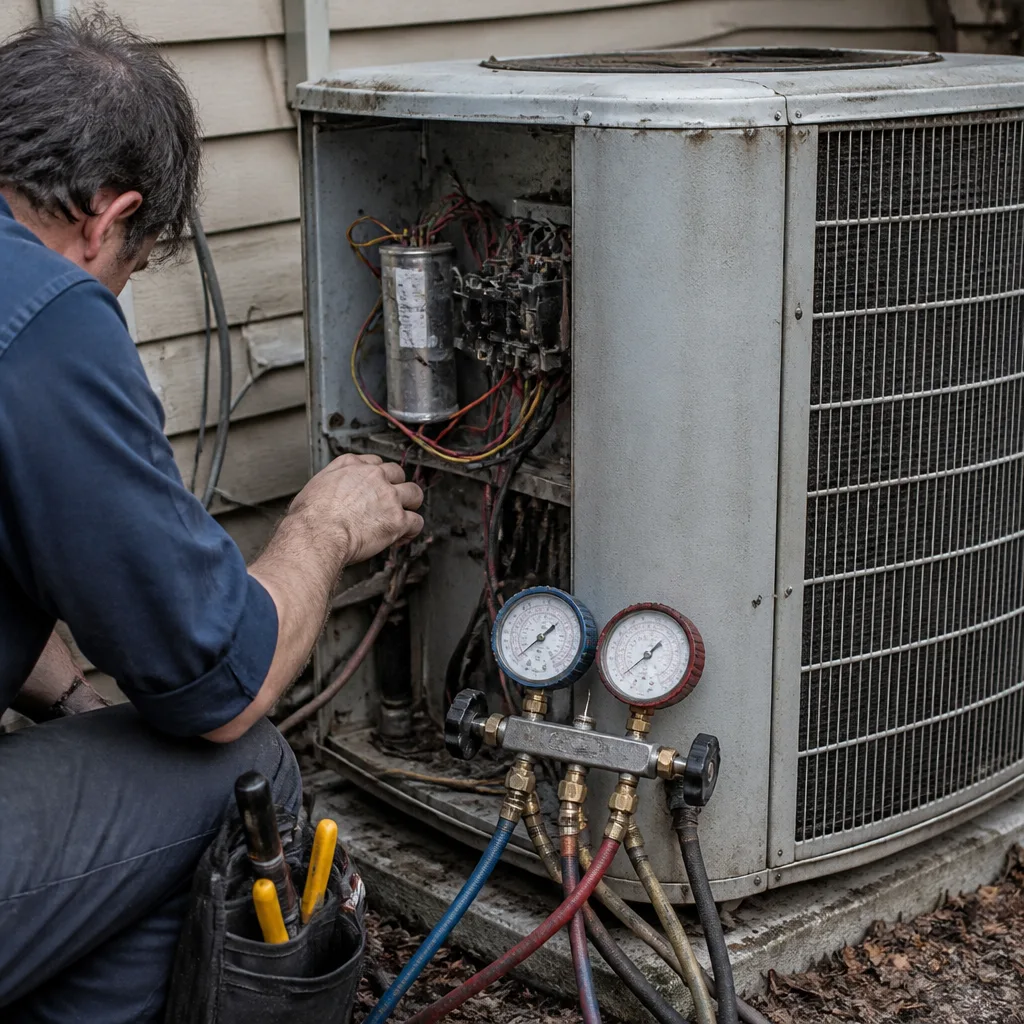 Before
 After
After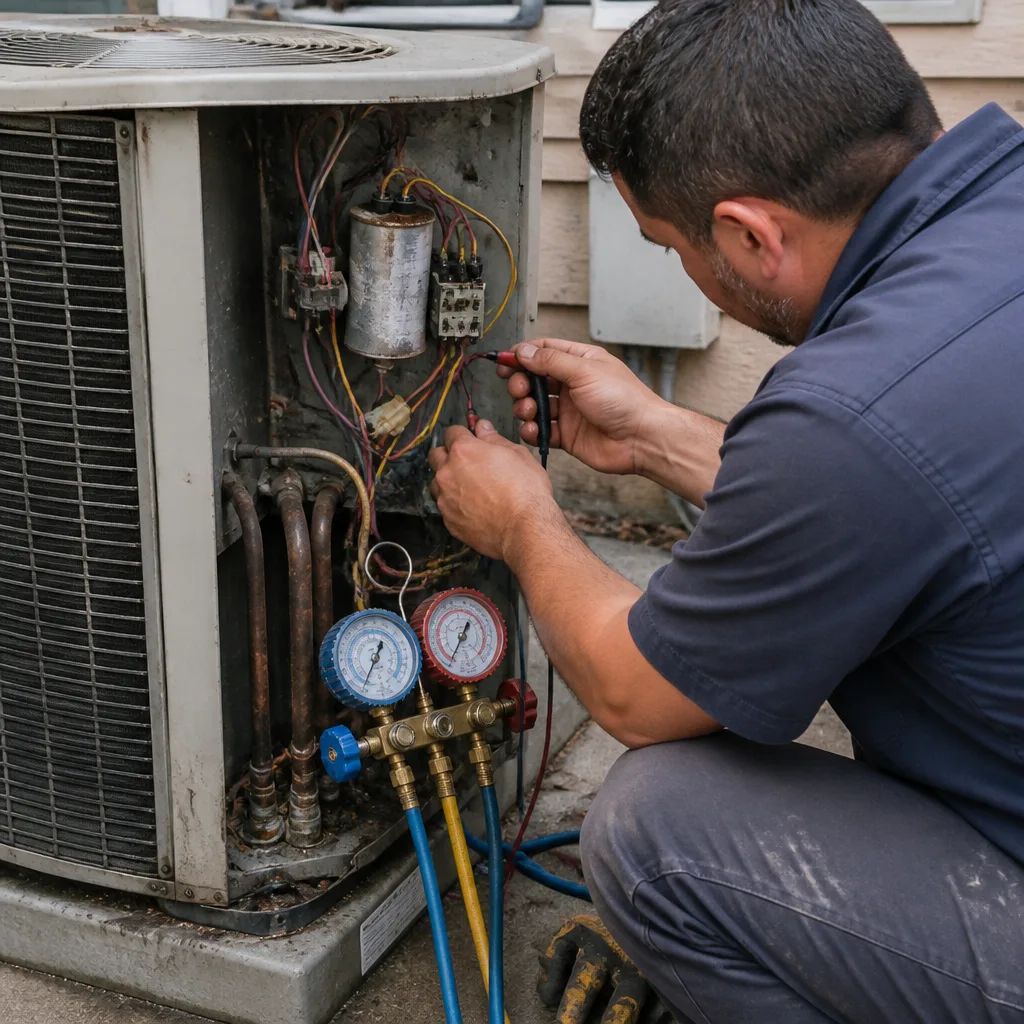 Before
 After
After