
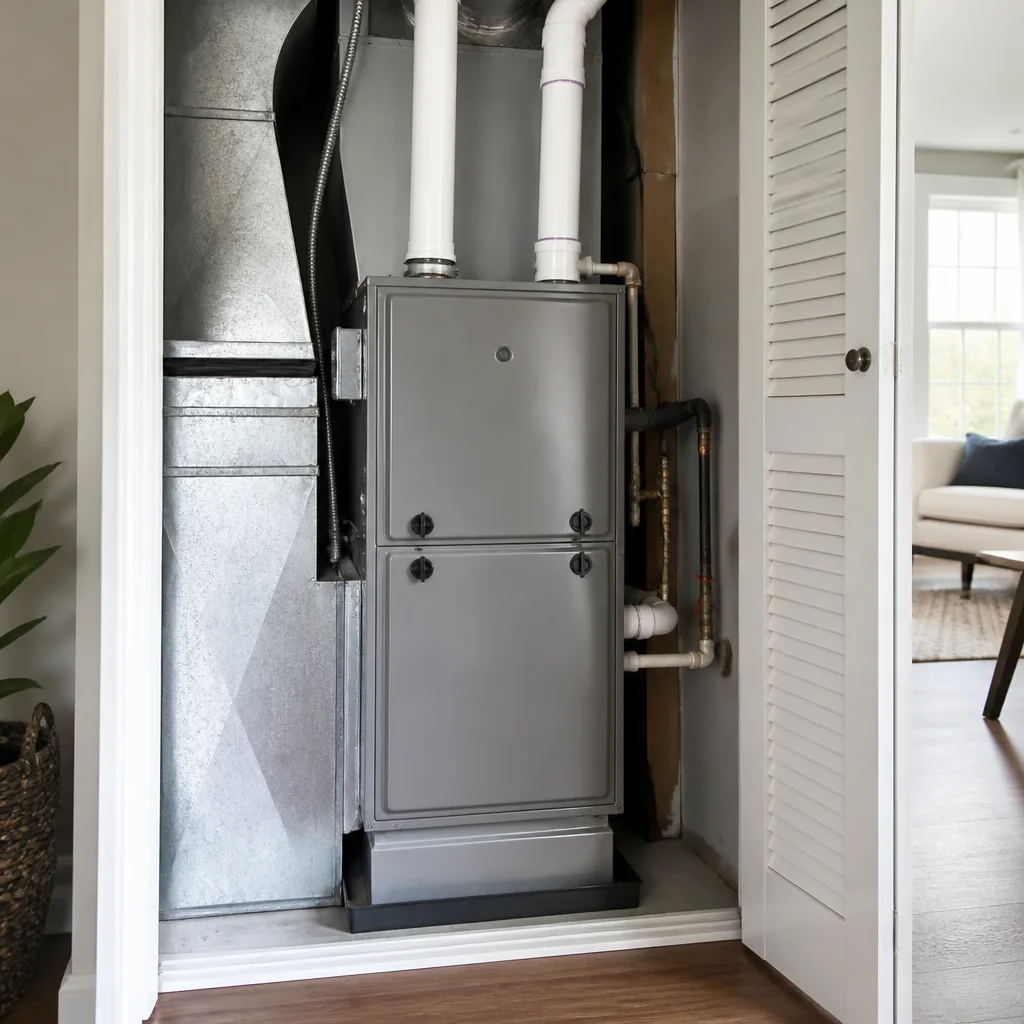
 Furnace & heating
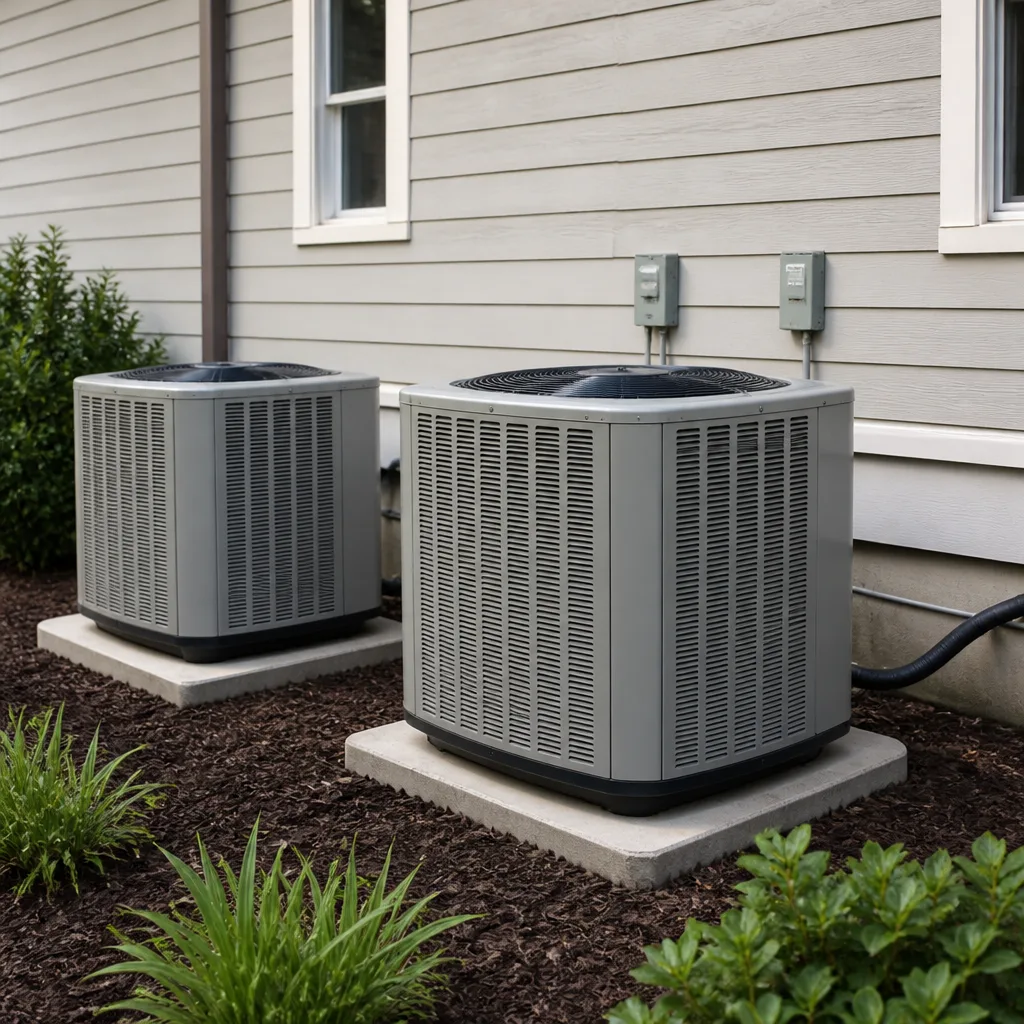 Heat pumps
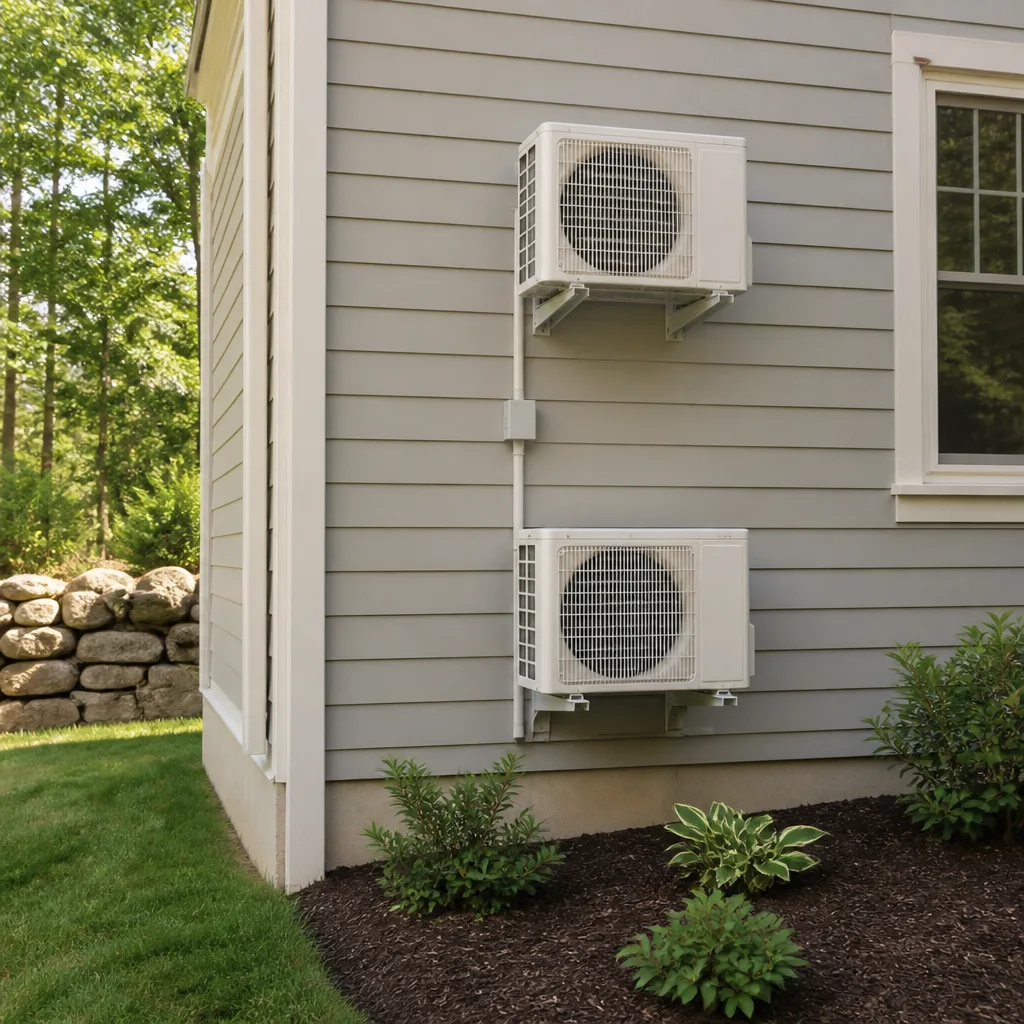 Ductless mini splits
 Goodman
Seasonal tune-up and full diagnostic on your Carrier, Trane, or Goodman system - readings shown to you before any repair is proposed
Diagnosis first, numbers second - you approve the repair price before a single part goes in.
Get your free estimateAmerican Standard Ductwork Repair: The Dallas Owner’s Guide
Ductwork repair on an American Standard system in Dallas typically runs $180 – $550 installed, depending on how much of the run is compromised and where in the house it sits. Most repairs we handle are done same-day because we stock the common repair materials on the truck: foil-backed mastic tape, aluminum or galvanized duct collars, takeoff fittings, and R-6 flex duct sections. You’ll usually find out you need this work one of two ways: a room that stopped cooling this summer no matter where you set the thermostat, or the smell of hot attic air moving through the vents.

Marco Benitez has been running these calls across Dallas for years, and the pattern is predictable: metallic systems fail at seams and collars, flex runs get punctured or kinked, and the plenum, the sheet-metal box mounted right at the indoor unit, loosens at the boot where it meets the duct. The fix is usually straightforward if it’s caught early.
Which American Standard Models This Applies To
Ductwork is not model-specific the way a control board or blower motor is, and that’s good news. This repair applies across the whole American Standard residential line: Silver, Gold, and Platinum series systems, from 14 SEER heat pumps and air conditioners up to 20+ SEER two-stage and variable-speed units. The duct run does not care which American Standard furnace or air handler feeds it. What it does care about is the fitting diameter and the static pressure your American Standard blower was designed to push against.
Here is the compatibility gotcha that matters in Dallas attics: most American Standard air handlers and furnaces in this market are paired with either 16-inch or 18-inch return ducts, while supply runs vary between 6 and 10 inches depending on the room load. If a previous contractor replaced a stretch of duct with the wrong diameter because it was what they had on the truck, your American Standard system runs against higher static pressure than it was engineered for. That kills blower motors early and raises your cooling bill. Nobody writes that on their website, but it’s the first thing we check.
OEM versus aftermarket is less of a decision for ductwork than it is for, say, an American Standard inducer motor. The materials are commodity: R-6 or R-8 flex duct rated for Texas attic temperatures, galvanized steel collars, UL-181 listed mastic and foil tape. What matters more than brand is correct diameter, correct insulation value, and clean attachment. We routinely repair American Standard duct systems with materials that match or exceed the original spec, at a lower installed cost than OEM-labeled duct components when those are even available.
Dalton Heating & Air Dallas is an independent service provider, not affiliated with American Standard. That means we have no incentive to recommend American Standard-branded duct materials when a correct-spec equivalent does the job.
Styles & brands we work with
Signs Your American Standard Ductwork Repair Is Failing
- One room never reaches temperature. This is the classic collapsed or disconnected flex run, sometimes kinked during a previous service visit, sometimes blown apart by a pressure imbalance when the system turned on.
- Dust collecting fast on registers and furniture. A return-side leak pulls unfiltered attic air directly into the system, which means everything the filter is supposed to catch just circulates through the house instead.
- Attic smell at the vents. That’s a gap on the return side big enough for the negative pressure inside the duct to draw in whatever the attic holds: insulation fibers, dust, the heat of a July afternoon.
- Your utility bill moved up while your thermostat stayed put. When conditioned air dumps into the attic instead of the living space, the American Standard system runs longer to satisfy the same setting. The math shows up about 60 days later.
- Whistling or fluttering noise from certain registers. A partially open duct seam can whistle under pressure. Fluttering is usually a loose boot or a torn inner liner in flex duct, and it tends to get worse at the start and end of each blower cycle.
See the difference
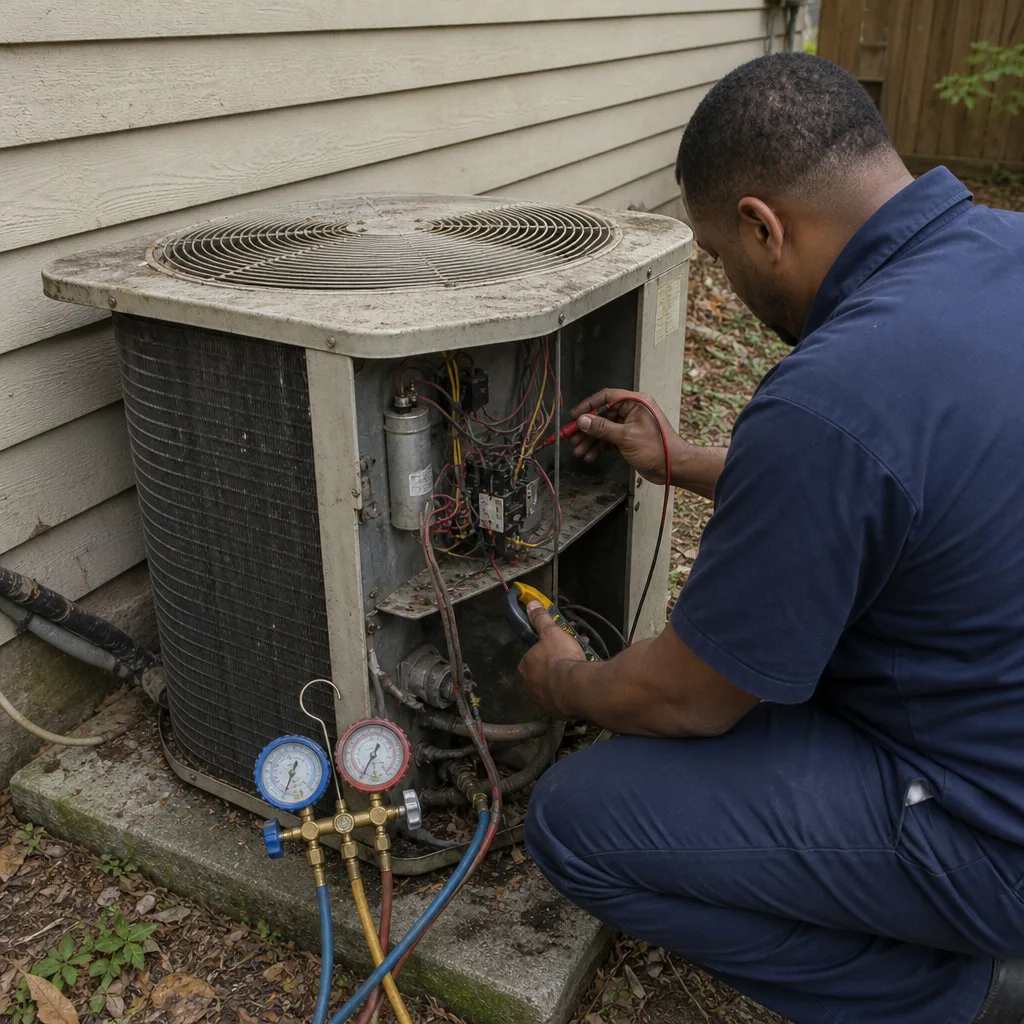 Before
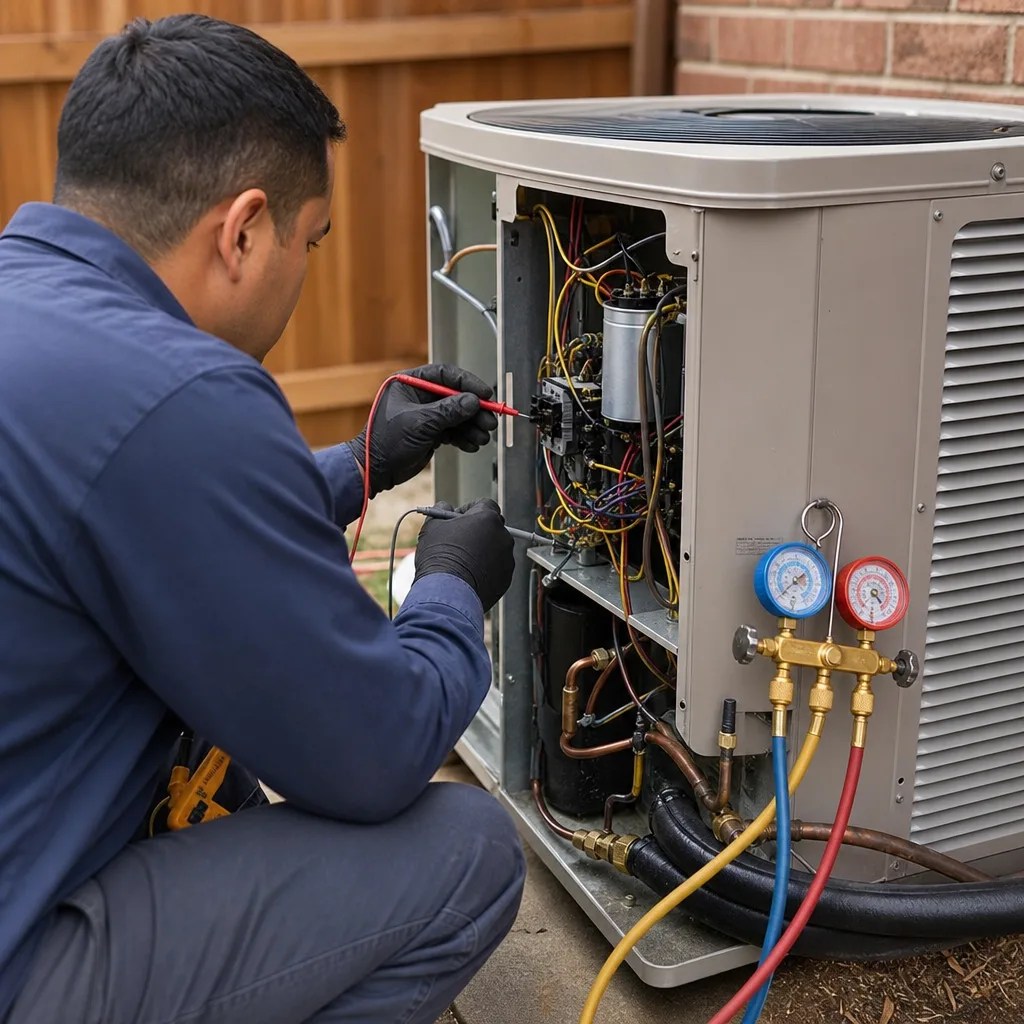 After
After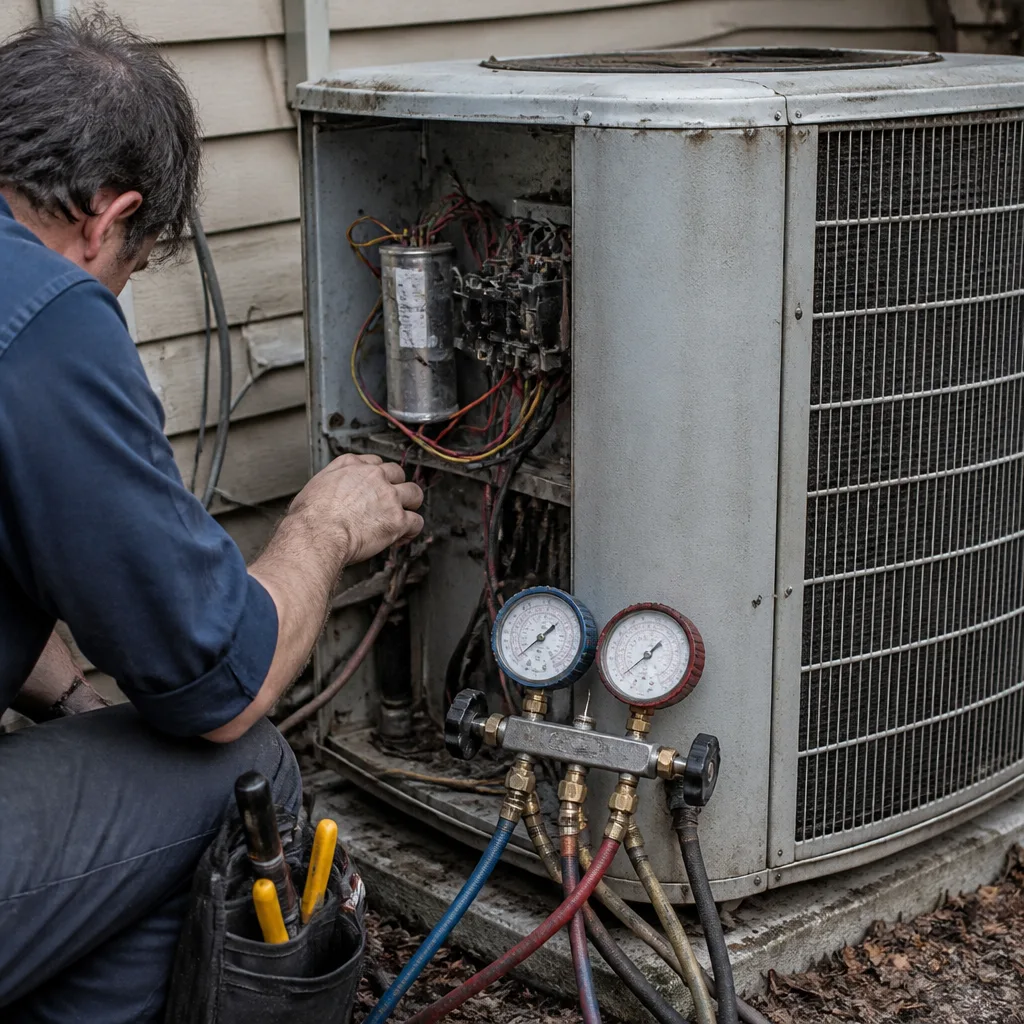 Before
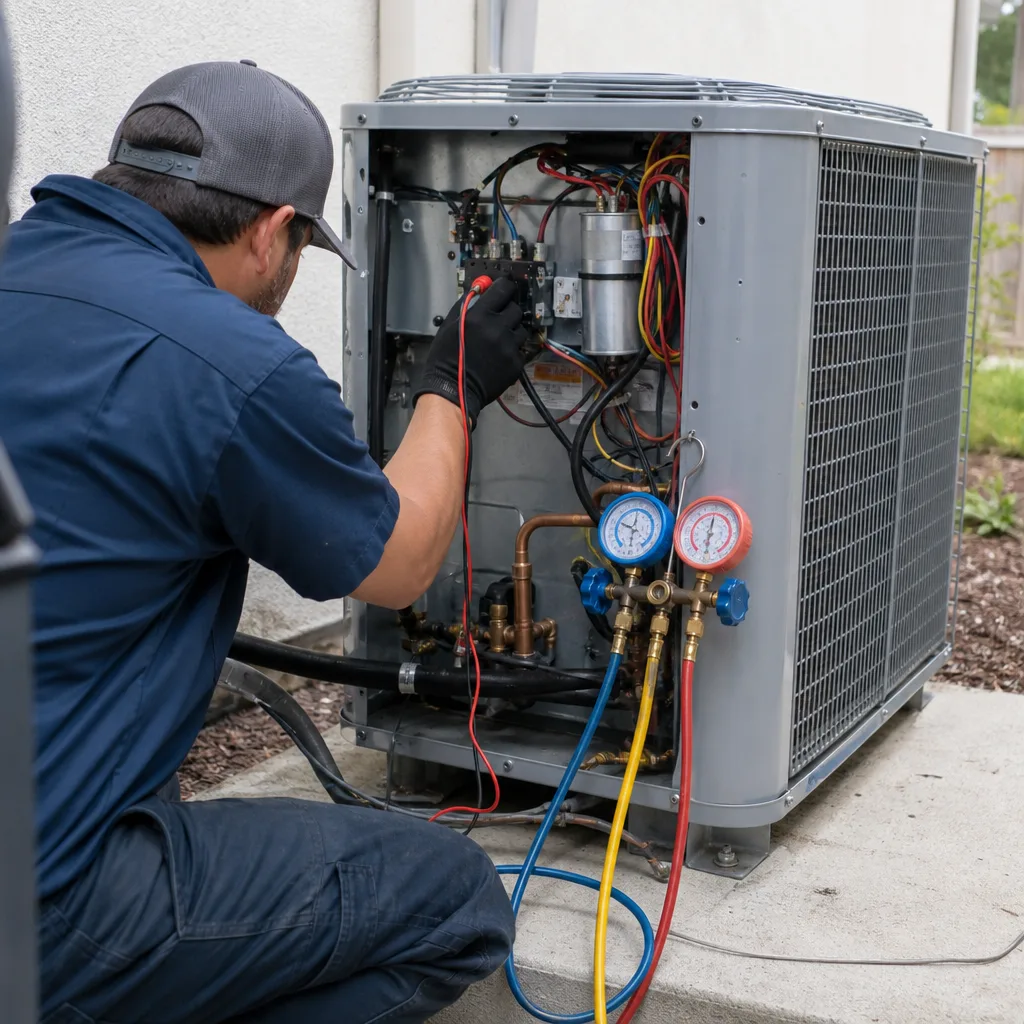 After
After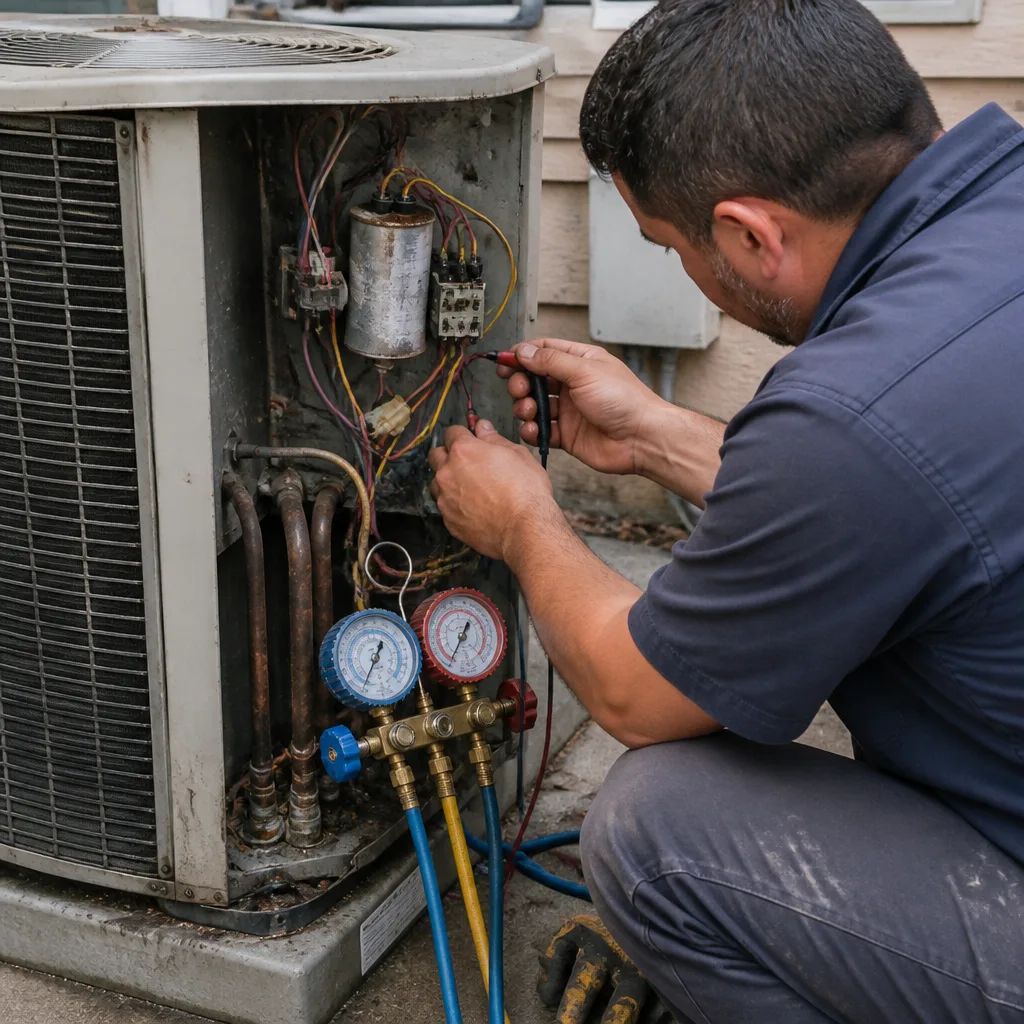 Before
 After
AfterReplacement Cost & What’s Included
What you’ll pay in Dallas breaks down roughly like this:
- $180 – $300: Single section repair. One flex run replaced or reconnected, a collar tightened, a seam sealed with mastic. This is the most common job.
- $300 – $550: Multi-section repair. Longer flex runs replaced, a plenum boot rebuilt, a main trunk line sealed up, or a return duct resized to match the American Standard system’s requirement.
- $550 and up: Runs where the duct system needs substantial rework, for example when root cause is undersized returns and multiple rooms are involved. In that case we map the static pressure, correct what needs correcting, and seal everything.
Every price range above includes parts, labor, and written pricing before we start. You see the number, you approve the number, then we do the work. If the repair fails within a year, we return at no charge. That’s the 365-Day Done Right Promise, and it’s in writing on every invoice.
DIY or Call Us?
Here’s the honest split. You can check the obvious stuff yourself: open the vent register and make sure the damper isn’t shut, verify no furniture is blocking the return grille, and check for a visibly collapsed flex run in the attic if you’re comfortable up there. These are diagnostic steps, not repairs, and they’re free.
Where DIY goes wrong: taping a duct seam with anything less than UL-181 foil tape, “fixing” a flex run by re-shaping it while it keeps its internal kink, or sealing a return leak with spray foam that off-gasses into your air stream. Those repairs hold for a few weeks, then fail. Duct work in a Texas attic is not a safety hazard the way high-voltage electrical is, but it is a heat-safety issue: a botched repair means the American Standard system runs harder through August and still doesn’t cool. For a fix that holds, call (254) 280-5320. Marco’s rule stands: “Tell me what’s wrong, I’ll tell you what it costs – in writing, before we start.”
FAQs
In Dallas, plan on 15 – 20 years for properly installed metal duct and flex runs before they need real attention; attic heat above 130°F in summer ages flex liner and mastic faster than the national average, so systems on the older end usually show seam leaks and insulation breakdown. Flex runs in unconditioned attics take the worst of it. If your system is over 15 years old and you’re seeing the symptoms above, a repair is the right next move, not a guess. Call (254) 280-5320 and we’ll do a leak-by-leak diagnosis.
Yes, in most cases the failure is localized: one seam, one collar, one flex run. Full replacement only makes sense when more than about a third of the runs are compromised or the original sizing is wrong for the American Standard unit’s airflow requirements. We quote repairs and full rework separately, in writing.
A single-section repair usually runs 1 – 2 hours. A multi-section job might stretch to half a day if we’re working in a tight attic or making a return duct larger to match the American Standard system’s needs. Most jobs are completed same-day.
We stock the common repair materials: R-6 flex duct, galvanized collars, takeoffs, mastic, UL-181 foil tape, and boot fittings in the diameters we see most in Dallas. We also service Carrier, Trane, and Lennox, so the truck carries non-brand-specific duct components that work across all of them. The less common sizes we can have same-day from supply houses in the Metroplex.
For a free estimate on American Standard ductwork repair in Dallas, call (254) 280-5320. A real person answers, 24/7. We’ll arrive inside the window, put the price in writing, and if it isn’t right, we make it right for a full year.
Written by Marco Benitez, Owner & Lead Technician, Dalton Heating & Air Dallas at Dalton Heating & Air Dallas, serving Dallas and nearby areas.